Wolf Spiders
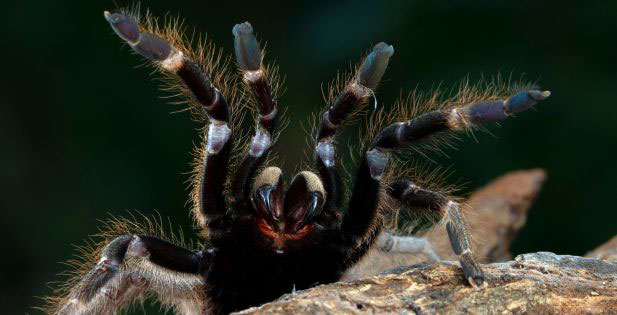
Wolf spiders (family Lycosidae) are common ground-dwelling spiders found throughout Australia. Known for their fast movement and strong hunting ability, they do not build webs; instead, they actively chase insects across floors, gardens, and outdoor areas. Their sudden appearance inside homes, sheds, and workplaces often causes alarm, especially due to their size and speed. Although they help reduce insect populations, wolf spiders become a pest issue when they enter living areas, hide in clutter, or pose a risk through accidental bites.
Threats
+Wolf spiders are not usually aggressive but will bite if they feel cornered, threatened, or accidentally touched. Their bite can cause sharp pain, local swelling, redness, and irritation. While not considered medically dangerous, these symptoms can be distressing for children, elderly occupants, and people with spider sensitivities.
Their presence inside homes and commercial buildings also creates concerns:
- Fear and anxiety due to their size and movement
- Increased hiding spots in cluttered storage areas
- Potential for accidental bites in shoes, clothing, or bedding
- Indication of underlying insect problems that attract spiders
- Negative impact on workplace hygiene perception
In work environments like warehouses, workshops, and childcare centres, frequent spider sightings can lead to complaints and safety concerns.
Prevention
+Long-term wolf spider prevention focuses on reducing entry points, removing hiding places, and controlling insects that serve as their food source.
Effective prevention steps include:
- Sealing gaps around doors, windows, weep holes, and utility penetrations.
- Installing tight door seals, flyscreens, and weather stripping.
- Reducing clutter in garages, storage rooms, and sheds.
- Clearing leaf litter, mulch, and outdoor debris around the home.
- Keeping indoor areas clean to limit insect activity.
- Adjusting outdoor lighting to reduce insects around entry points.
- Conducting regular yard maintenance to minimise spider habitats.
For persistent spider activity, professional perimeter treatments, dusting, and targeted control methods provide long-term protection.
Summary
+Wolf spiders are common hunters that often enter Australian homes and buildings in search of shelter or prey. While their bites are typically mild, their presence can cause fear, discomfort, and nuisance issues. Proactive prevention, sealing entry points, reducing clutter, and managing insects are essential for long-term control. Professional spider treatments and ongoing monitoring offer the most reliable way to keep your property safe, clean, and wolf spider-free.

