Termite Inspection Melbourne

Termite Control In Melbourne
Book Your Termite Control Services Here | 0413 816 187 | info@gillpestworks.com.au

Termite Treatment in Melbourne: Comprehensive Solutions for Termite Control and Protection

Termites pose a significant threat to both residential and commercial properties, capable of inflicting severe structural damage to buildings and homes. If you've started noticing any indications of termite activity or the presence of white ant infestations on your property, it's a clear signal to seek professional termite treatment in Melbourne. At Gill Pestworks, we specialize in providing customized termite protection, effective white ant control services, and holistic termite solutions tailored for homeowners and businesses across Melbourne. Our thorough termite inspections are designed to pinpoint and resolve every termite issue on your property, guaranteeing complete and lasting protection.
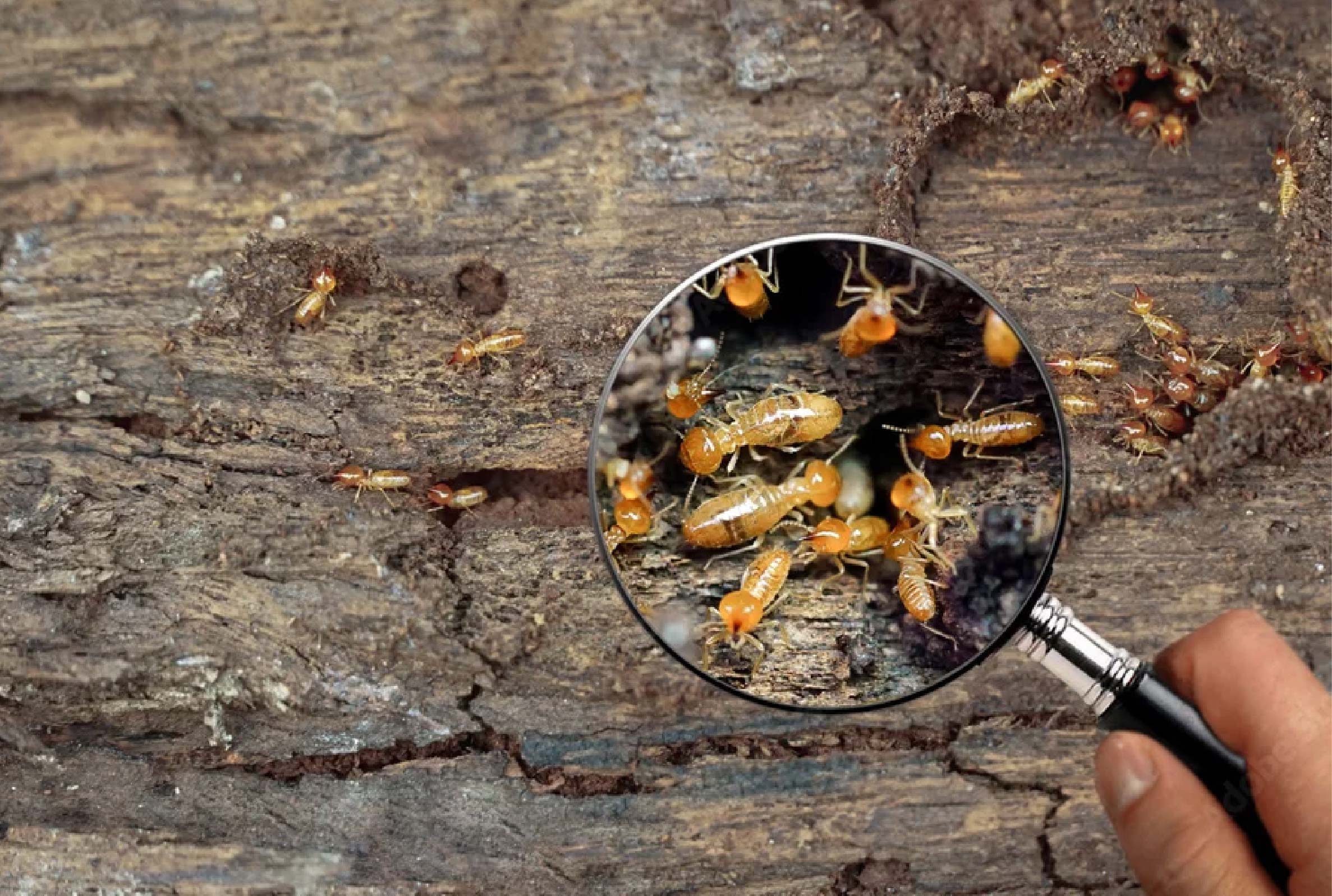
Termite Inspection Melbourne: Identifying and Assessing the Problem

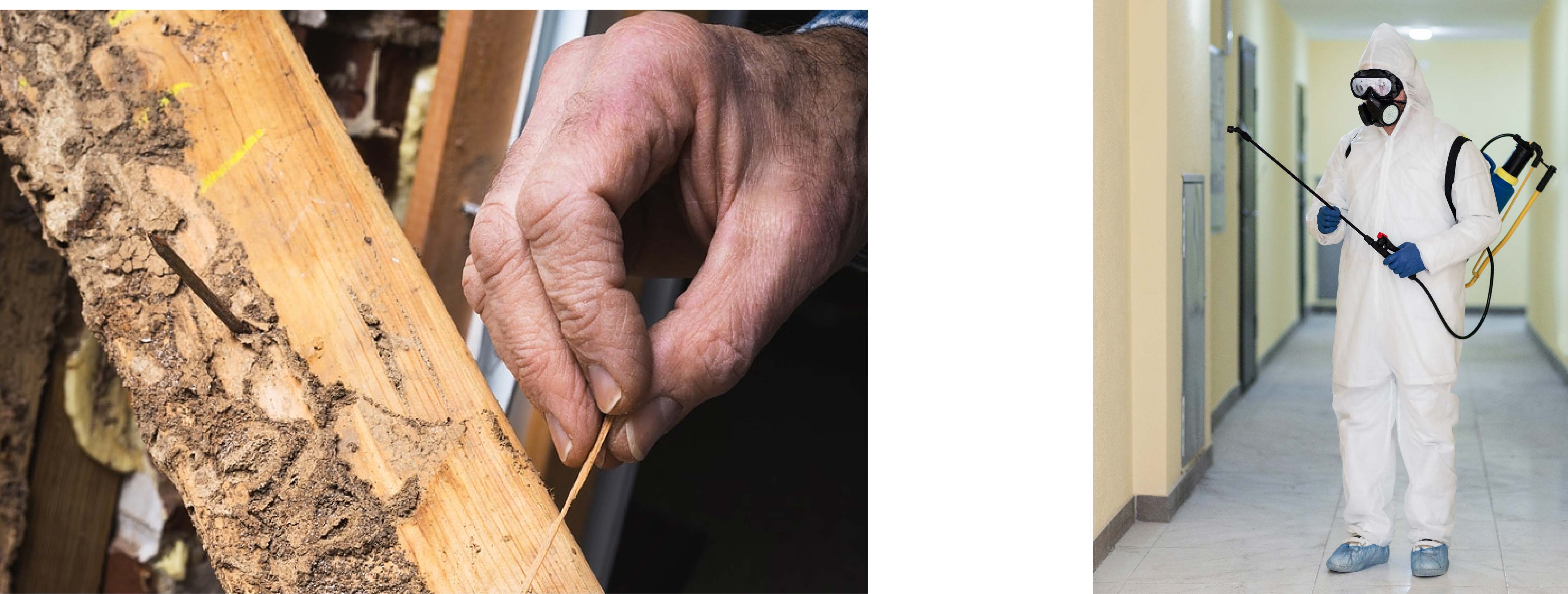
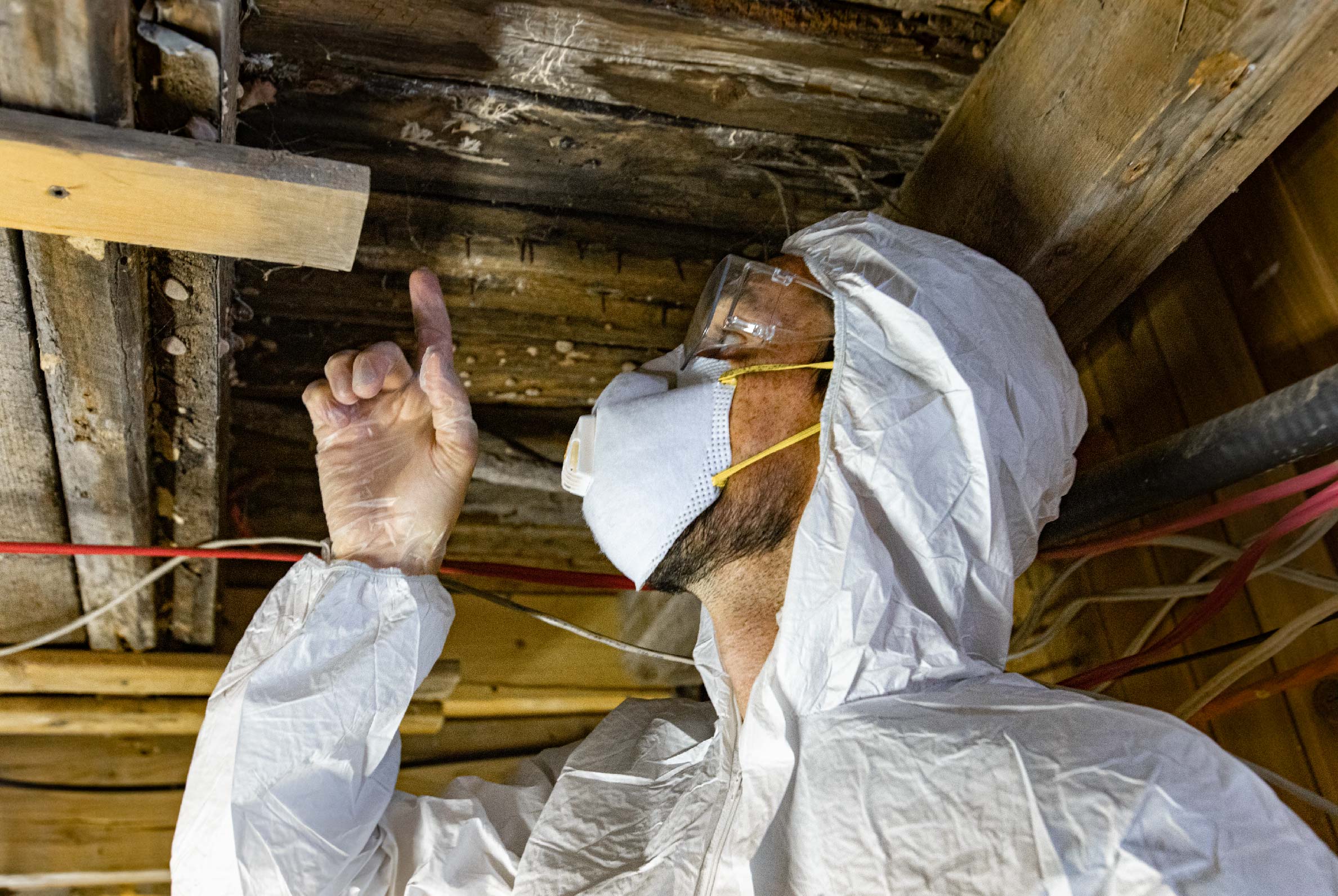
Our termite inspection service in Melbourne involves a meticulous examination of your entire property. This comprehensive assessment is crucial for accurately identifying the presence of termites and evaluating the full extent of any existing infestation. We understand that the termite inspection cost in Melbourne can be a concern for many property owners. That’s why we are committed to offering competitive and affordable pricing, ensuring that top-tier termite detection is accessible. With our detailed termite inspection in Melbourne, you can confidently rely on us to precisely detect and thoroughly assess termite infestations, providing you with clarity and peace of mind.

Termite Control Melbourne: Advanced Techniques for Lasting Results

At Gill Pestworks, we employ cutting-edge termite control techniques that go beyond merely eliminating current infestations. Our strategies are also focused on preventing any future outbreaks, offering long-term security for your property. Our comprehensive termite control services in Melbourne include essential pre-construction termite control, ensuring that your property is fortified against termite threats right from its foundation. As a premier termite control provider in Melbourne, we are dedicated to delivering enduring outcomes and ensuring total customer satisfaction through our exceptional and reliable services.

Termite Protection Melbourne: Safeguarding Your Property

Our dedicated termite protection services in Melbourne are expertly designed to secure your valuable furniture, all wooden products, and your entire property from the significant damage termites can inflict. If you’re actively searching for “termite treatment near me” in Melbourne, your search ends here – we are unwavering in our commitment to providing prompt and dependable termite solutions in Melbourne. With our specialized termite extermination and termite removal services, you can have complete confidence that your property will be thoroughly cleared of these highly destructive pests.

In summary, Gill Pestworks offers comprehensive and effective termite treatment in Melbourne, ensuring the highest level of protection for your cherished property. With our profound expertise in termite inspection, treatment, and control, we are your ultimate go-to solution for every single one of your termite-related requirements. Don't delay – contact us today to take immediate steps to safeguard your property from the devastating and costly effects of termite infestations.

Expert Annual Termite Inspections by Gill Pestworks Melbourne

At Gill Pestworks Melbourne, we provide specialized annual termite inspection services explicitly tailored to continuously safeguard your property from the persistent threat of termite infestations throughout the entire year. Our highly skilled professionals conduct exceptionally thorough checks, meticulously looking for any early signs of termite activity. Our primary focus is ensuring that all common termite species found in Melbourne are specifically addressed, given their unique characteristics and behaviors. This meticulous approach means you can always rest assured about comprehensive protection against them.

Keep your home safe and entirely free from termites with our essential annual property termite inspection and maintenance programs; they are genuinely all you need for sustained protection. Take the proactive step today: Schedule your yearly termite inspection with Gill Pestworks Melbourne and protect your significant investment against these incredibly destructive pests.

Why Should You Worry About Termites?

While termites generally don't pose direct health risks to humans, their presence can severely impact you financially. In Victoria, you'll primarily encounter two highly destructive species of termites: subterranean termites and dry-wood termites. It’s crucial to understand the extensive list of damage these termite species can inflict and recognize the paramount importance of implementing a robust termite and white ant barrier to effectively secure your property:

Subterranean termites are an exceptionally destructive group of pests capable of causing significant structural damage to properties, leading to substantial financial setbacks.

Termites aren't limited to just wood; they also voraciously feed on items like books, paper, swimming pool liners, filtration systems, insulation, and much more.

If you possess furniture or wooden items with significant heritage value, or those passed down through generations, a termite attack can unfortunately result in an irreplaceable and devastating loss.

A termite attack and the resulting damaged wooden structures can inadvertently provide access for other pests to enter your property, making the entire structure vulnerable to various infestations.

The presence of termites on a property can necessitate frequent cleaning and maintenance efforts. Furthermore, a visible termite infestation is often perceived as a sign of neglect, potentially making visitors or prospective buyers feel unwelcome.

Therefore, if you neglect to undertake termite control services in a timely manner, you could end up spending far more than you anticipate – sometimes even exceeding the total original construction cost of your property.

How to Confirm Termite Attack?

A termite attack may not always be immediately visible to the untrained eye, but you should always be vigilant and confirm a potential pest infestation by looking for the following tell-tale signs:

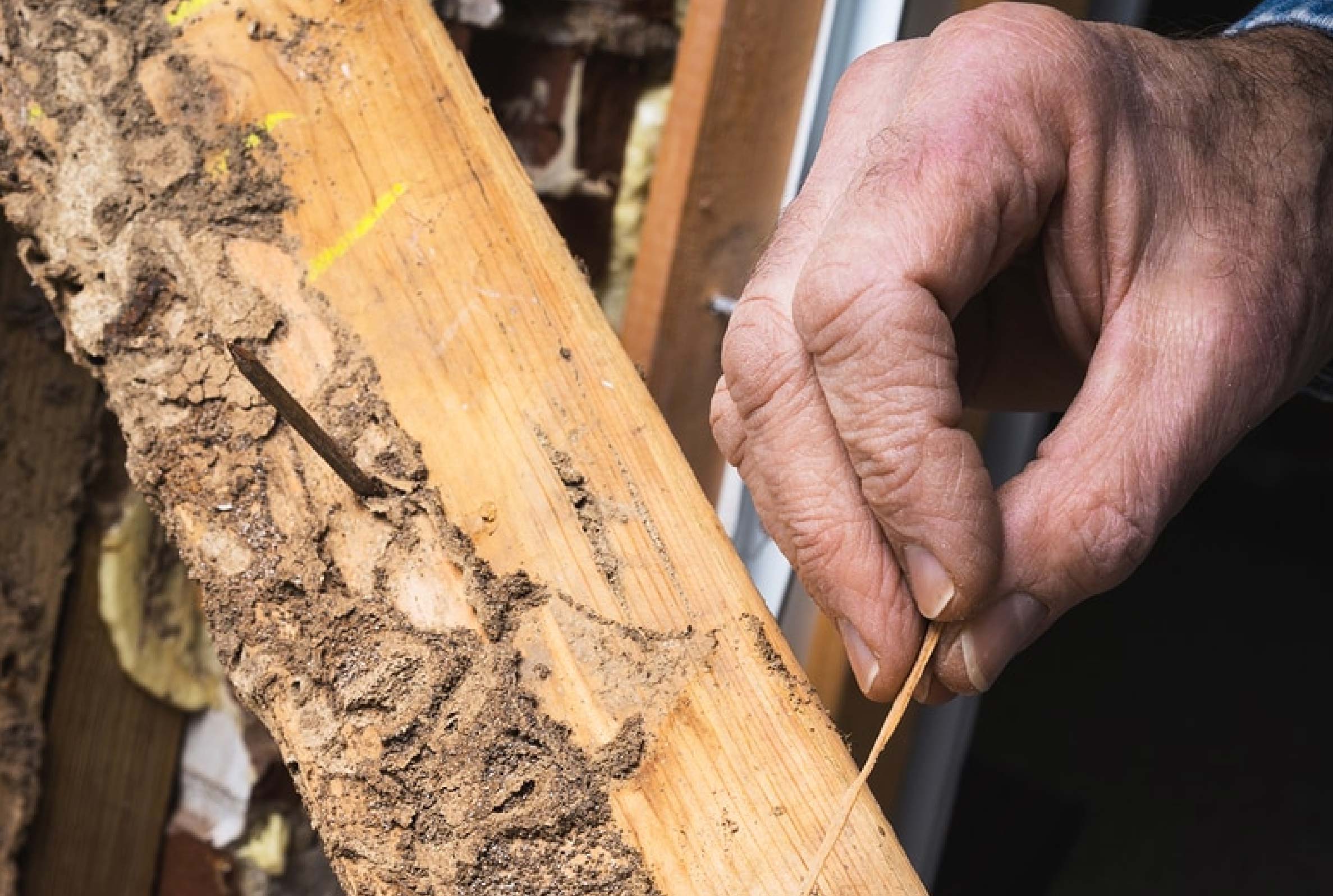
  • Carefully check for mud shelter tubes of termites around your property, paying close attention to the foundation. These are their protective tunnels.

  • Noticeable sagging doors and wooden floors can be a strong indicator of underlying structural damage caused by termites.

  • Look for cracked paint and plaster around wooden components and structures of your property; this often occurs as termites tunnel underneath.

  • Observe any accumulation of dry, fine mud in the joints of doors or within window architraves.

  • Be alert for earthy and muddy materials appearing around power points. You might even experience unexplained power failures due to termites gnawing on electrical insulation.

  • Test door jams, architraves, or skirting boards; if they feel unusually soft or easily damaged, it's a critical sign.

As soon as you observe any of these potential signs of termites at your property, it is imperative to call Gill Pestworks for immediate termite and white ant treatment services. At Gill Pestworks, we boast a team of local termite control specialists who are equipped to provide you with same-day treatment services, aiming to ensure minimal additional damage to your property.

Termite Inspection & Treatment FAQs

How Can I Permanently Eliminate Termites From My Home?

+

If you've identified a termite problem on your property, the most effective course of action is to engage a professional pest control company like Gill Pestworks Melbourne. Our expert services provide targeted treatments designed not only to eradicate existing termite colonies from your property but also to establish robust preventative measures, significantly reducing the likelihood of future infestations. When you partner with us, expect a thorough inspection of your property to accurately assess the level of infestation and the extent of any structural damage. Based on this detailed evaluation, we'll recommend and implement a customized treatment plan, whether it's for your furniture, walls, or the entire structure. With the right professional treatments, achieving a long-term, termite-free home is absolutely possible.

Should I Cover Termite Holes?

+

Discovering small holes in your wooden furniture or structures often signals the very beginning of a termite infestation. At this early stage, you might consider attempting natural remedies to eliminate the termites or, for more reliable results, hiring a professional. Once the termites are dealt with, minor holes can typically be sealed effectively using a wood hardener or appropriate filler. However, if the infestation is severe, the wood might be extensively compromised. In such cases, it's crucial to remove and replace the heavily damaged sections of wood or even the entire piece of furniture to prevent the problem from worsening. Remember, while small holes are easily remedied, extensive damage indicated by larger holes usually necessitates professional repair or replacement rather than just covering them.

How Quickly Does Termite Treatment Yield Results?

+

The timeframe for termites to be fully eradicated from your property largely depends on the specific type of treatment employed. If a professional pest control expert has installed termite baiting systems on your property, you might need to wait several weeks to observe significant results. As termites forage and consume the bait, they begin to die. For complete colony elimination, including the queen, it can take anywhere from a few weeks to a couple of months, as the active ingredients in the bait are slowly transferred throughout the colony. For direct chemical applications, results can be much faster, with termites dying upon contact.

What Is The Optimal Time of Year for Termite Treatment?

+

Termites can gain entry into your home at any time of the year, as their activity isn't strictly seasonal, especially with Melbourne's climate variations. Therefore, termite treatment can, and often should, be performed whenever an infestation is detected. It is generally unwise to delay treatment in anticipation of a "better" season, as this can only exacerbate the issue and lead to more extensive and costly damages to your property. The moment you notice the first signs of termite infestation, it's critical to contact a professional pest control company like Gill Pestworks to inspect your property and recommend the most suitable and immediate treatment. Prompt action is paramount to prevent termites from multiplying and causing further irreversible damage to your property.

How Long Can a Termite Treatment Last?

+

The longevity of a termite treatment can vary significantly, typically ranging from one year to up to five years, depending on the chosen method and the products used. Liquid barrier treatments, particularly those applied by a reputable pest control company using high-quality termiticides, can offer protection for up to 5 years or even longer. However, if you've opted for termite baiting systems to eradicate termites from your property, it's generally recommended to schedule a yearly maintenance and monitoring session. These ongoing checks ensure the baiting system remains active and effective, and allow for replenishment as needed. To ensure your termite treatment provides the maximum benefit and longevity, it's essential to hire a professional pest control company like Gill Pestworks that utilizes appropriate products and expert application techniques.

How Do Different Termite Treatments Function?

+

Each type of termite treatment operates with a distinct mechanism. If you opt for a chemical barrier treatment for your property, it typically involves applying a specialized liquid termiticide to the soil directly around and under your building's foundation. When termites come into contact with this treated soil, they are either repelled or, more commonly, carry the active chemical back to their colony, leading to its demise. This method effectively prevents termites from entering your property and damaging your furniture or walls. Alternatively, if you choose a bait treatment system for your home, strategically placed bait stations become an attractive food source for foraging termites. Since these baits contain slow-acting insecticides, all termites that consume the bait, or come into indirect contact with it through other termites, gradually die off, leading to the eradication of the entire colony over time.

What is the Most Effective Termite Treatment?

+

Determining the "best" termite treatment for your home is a nuanced decision that a qualified pest control expert can best make. You can contact Gill Pestworks Melbourne and schedule an inspection of your property by our experienced specialists. Our representative will visit your home or office to thoroughly assess your specific termite infestation issue. Based on a comprehensive evaluation of the areas attacked by termites, the precise level of infestation, and the amount of damage already incurred, we will suggest the most appropriate and effective treatment. The tailored treatment recommended by us aims to not only eliminate existing termites from your property but also to establish preventative measures to deter their return in the future.

What is The Ideal Time For A Termite Inspection?

+

Termites can cause devastating and costly damage to your home and property. Unfortunately, many homeowners don’t realize they have a termite problem until the damage is extensive and serious. Therefore, scheduling routine termite inspections before you face significant and costly repairs is incredibly important.

Termites are often difficult to detect without professional tools and expertise until visible damage has occurred. Hence, it is crucial to have termite inspections conducted at least once a year. If you reside in a hot or humid area, which includes much of Melbourne's climate, termites are more likely to thrive and infest your home. For this reason, it's particularly important to schedule your annual inspections diligently.

Older homes, with their seasoned timber and potential entry points, are often more susceptible to unwanted termite guests. Therefore, if you're considering purchasing an older property, it is absolutely worthwhile, and highly recommended, to have a comprehensive pre-purchase termite and pest inspection performed before making your final decision.

What Is The Difference Between Termites And Ants?

+

Both termites and carpenter ants can produce winged reproductive forms (swarmers) to spread their species or establish new colonies. Therefore, being able to recognize any flying insects found on your walls can be crucial for proper identification. Here are key distinguishing points that will help you differentiate between termites and ants:

  • Color: Termites found in groups, especially swarmers, generally have a lighter, often pale or whitish, color. In contrast, flying ants come in a wide range of colors, such as red, brown, or black.

  • Wings: Both ants and termites have two pairs of wings. However, a key difference is that termite wings are identical in size and shape, often appearing much longer than their body. Ants, conversely, have front wings that are noticeably longer than their hind wings.

  • Body Shape: The distinctive body of an ant is characterized by three very clear and segmented parts with a narrow, pinched "waist." Termites, while also having three body segments, possess a broad, thick waist, giving them a more uniform, tube-like appearance without the noticeable constriction.

  • Antennae: Termites have straight, beaded antennae. In contrast, ants typically have bent or "elbowed" antennae.

What Actions Can Be Taken Against Termite and White-Ant Infestations?

+

Engaging professional pest extermination services is generally far more effective and time-efficient than attempting DIY methods. By allowing experts to manage the situation, you can prevent pests from proliferating unchecked, ultimately saving money and eliminating them as quickly and thoroughly as possible.

Professionals are equipped to find and treat the underlying causes of pest problems, which significantly improves the long-term efficiency of pest management. Without addressing the root cause, pest problems are likely to recur. Routine pest control often begins with a detailed home inspection and a thorough property survey.

A qualified pest control expert, like those at Gill Pestworks, can design a customized pest control program based on a precise assessment of the pest species, the extent of the infestation, and integrated pest management (IPM) strategies tailored to your property.

How Can Termites Be Managed Effectively?

+

One of the most pressing concerns regarding termite management is whether individuals can effectively exterminate termites themselves. Unfortunately, for significant infestations, the answer is typically no.

It is strongly advised not to attempt to control widespread termite issues on your own. Termites might be nesting in various locations, including your yard, the foundation, or deeper within your home's structure. It is always better to hire a professional with the specialized knowledge, experience, and appropriate tools to effectively manage termites in your house.

Contact a reputable pest control company like Gill Pestworks immediately if you observe any signs of termites. While there are some resources online offering advice for very minor issues, DIY termite control should definitely not be attempted if there are already active and visible problems, as this can often lead to further, hidden damage and complications.

What Is A Termite-Resistant Wall, And How Does It Work?

+

Sometimes, the first hint of termites isn't visible damage but rather silent activity behind walls, or tiny discarded wings in corners or on windowsills. You might even spot small, whitish insects crawling on baseboards, signaling their presence. Anyone who has previously dealt with termite infestations will unfortunately recognize the tell-tale signs and sounds.

While homeowners can detect some signs of termites, these pests can cause severe damage to your home, leading to incredibly expensive repairs. Installing a termite barrier can proactively prevent this.

A termite barrier can be the most effective way to eliminate termites by preventing them from entering your home's structure. These barriers are designed to intercept and eliminate termite colonies that attempt to access your property. While termite colonies can survive for many years, a properly installed barrier and treatment can significantly impact their longevity, often destroying active colonies within a few months.

What Are The Various Types Of Termite Treatment Options?

+

Modern termite control techniques are designed to prevent termites from entering your home and to establish a treated zone around any existing termite infestations.

One common method for creating a termite barrier is digging a trench around the foundation. This trench is typically about 50 mm below ground level and 150 mm wide, into which a liquid termiticide is applied before backfilling. For properties with concrete slabs or tiled areas, small holes will be drilled at regular intervals (e.g., 150mm below the ground and 150mm from the exterior walls) to inject the termiticide. A continuous treated zone, often extending around 200m, will enclose areas like driveways, walkways, patios, and porticos to ensure full perimeter protection. The specific type of treatment and its application depend on your property's construction, the level of infestation, and your budget.

What Exactly Is A Termite Barrier?

+

Before installing a chemical termite barrier, it is absolutely critical to perform a thorough property inspection for any active termite presence. This initial inspection is paramount. If any active termites are found, they must be treated and eliminated immediately. We typically apply targeted treatments to live termites and then return approximately twenty-one days later to re-inspect and confirm their successful removal. Only once it's confirmed that no active termites remain can the barrier installation proceed.

Once the property is clear, the barrier itself is installed. This often involves digging a trench around the foundation, typically around 300mm wide and deep enough to reach the footings. This treated zone is where the chemical termiticide is strategically applied below the earth’s surface to halt termites from naturally accessing the structure. Depending on your property's specific construction and the level of risk, the barrier can be a continuous treated zone or involve other methods like reticulation systems.

What Is The Working Principle Behind Termite Baiting?

+

After a comprehensive inspection of your home, the termite baiting system is strategically installed. Initially, pest control professionals will conduct this inspection to determine the most effective placement and method for eliminating termites specific to your property.

Monitoring stations are then placed around the property's perimeter or in areas of suspected activity. These stations are designed to detect termites and, once activity is confirmed, to initiate the process of colonial extermination. The bait itself combines a cellulose-based attractant (which termites readily feed on) with a slow-acting, non-repellent insecticide. Worker termites consume the bait, then return to their colony to share it with other nest mates through a process called trophallaxis. Over time, as more termites feed on the bait and distribute it, the active ingredient disrupts their growth cycle, leading to the gradual decline and eventual eradication of the entire colony. A colony can typically be eradicated within 6 to 12 weeks. Our staff at Gill Pestworks are extensively well-versed in the precise techniques required for effective termite baiting.

How Can I Protect My Home From Termites?

+

Protecting your home from termites involves a combination of preventative measures and, if necessary, professional treatment. For wooden furniture, you can apply certain treatments similar to general wood termite management:

  • Avoid Direct Dampness: Ensure wooden furniture and structures don't have prolonged contact with dampness, as moisture attracts termites.
  • Protective Coatings: Consider applying a high-quality wood varnish or sealant to your wooden furniture to create a protective barrier. Some sources even suggest aloe vera gel as a natural protectant, though its efficacy for serious prevention is limited.
  • Remove Unnecessary Wood: Dispose of any old or unused wooden objects, particularly those in contact with soil, as they can become breeding grounds or entry points for insects.
  • Professional Chemical Treatments: For comprehensive home protection, especially against subterranean termites, a specialist is needed to administer chemical treatments around the property's perimeter or under slabs.
  • Natural Repellents (Limited Efficacy): While some natural remedies like white vinegar or lemon juice (a mixture of two parts lemon juice to one part vinegar) are suggested for direct application, their effectiveness is limited to very minor, superficial issues and not for established colonies.

Ultimately, for robust and lasting protection, professional termite management is the most reliable approach.

What Kind Of Damage Can Termites Inflict On My House?

+

It's astonishing how rapidly termites can consume wood, and the consequences can be financially devastating. Termites are responsible for property damage estimated at over $5 billion annually in Australia alone. Beyond visible destruction, they can compromise the structural stability of your home, potentially leading to weakened floors, walls, and even collapse in severe cases.

The exact extent of damage termites will cause is difficult to predict precisely. It heavily depends on the size and type of the termite colony, as well as the duration of the infestation and the type of wood they are attacking. You also risk contamination of wood and other materials.

While termites can start in small colonies, larger, mature colonies can number in the millions. A home might even have several independent colonies simultaneously. When found in large numbers, termites can inflict severe and widespread damage, often unseen until it's too late.

Are Termites Dangerous To Humans?

+

Termites themselves are generally not considered dangerous to humans in terms of transmitting diseases through their bites. Due to their small size, actual termite bites on humans are quite rare. However, like any insect bite or puncture, there's always a minimal risk of secondary infection if the skin is broken.

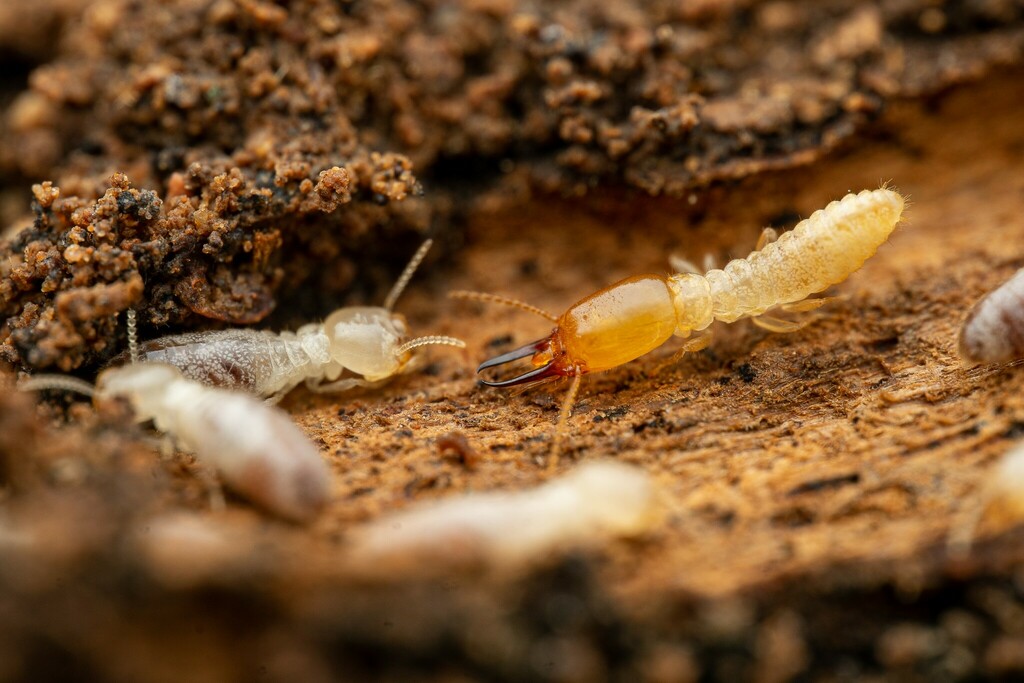
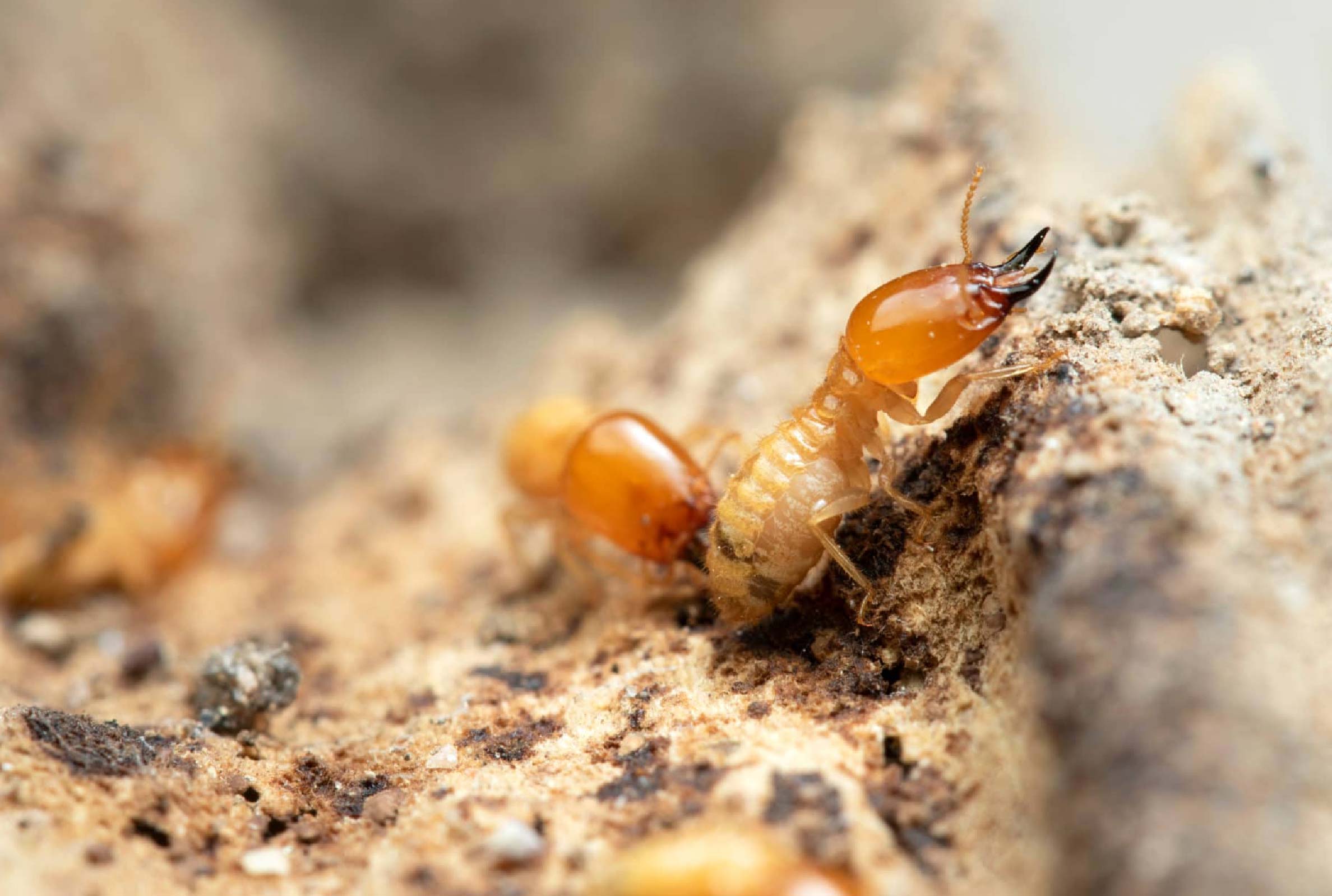
If you were to be bitten, it would most likely be by a soldier termite, though this is highly unlikely. Soldier termites primarily use their mandibles (mouthparts) for repelling ants and other predators, rather than biting humans. They typically have larger, darker heads compared to the pale workers and lack eyes or wings.

Depending on the termite species and the extent of the infestation, you might primarily notice signs like termite droppings (frass) or the characteristic damage to wooden structures. The main danger from termites is the structural damage they cause to your property, not direct harm to inhabitants.

What Are The Warning Signs Of Termites?

+

Being vigilant for warning signs can help you catch a termite infestation early. Look for:

  • Mud Tubes: Check for narrow, pencil-sized mud tubes on door frames, fixtures, wooden furniture, or foundations. These are sheltered pathways termites use.
  • Damp Walls or Dark Corners: Unexplained dampness or a musty odor in walls or dark, concealed areas can indicate termite activity, as they are drawn to moisture.
  • Hollow-Sounding Wood: Tap on wooden floors, skirting boards, or door frames. If they produce a hollow sound, it suggests termites have eaten away the interior. Papery or crumbling wood is also a critical sign.
  • Drywood Termite Frass: For drywood termites, look for small, gritty, wood-colored fecal pellets (frass) accumulating near infested wooden items.
  • Damage to Fabrics/Electronics: You might notice worn-out clothing or microscopic spores inside costumes in closets. Termites can also affect concealed areas like electrical switchboards, potentially causing power issues if they chew through insulation.

If you observe any of these signs, prompt professional inspection is crucial.

What Does A Termite Look Like?

+

Termites are wood-dwelling insects that require moisture to survive, making them particularly prevalent in humid environments. While there are many species, they are generally categorized by their role in the colony. Here's how different types of termites typically appear:

  • Workers: These are the most numerous and commonly seen termites if an infestation is disturbed. They are typically creamy-to-white in color, soft-bodied, and responsible for foraging for food, building tunnels, and feeding other colony members.
  • Soldiers: Soldier termites have larger, often darker or amber-colored heads compared to workers, equipped with prominent mandibles (jaws) used for defense. They protect the colony from predators, primarily ants. They are generally opaque and lack eyes or wings.
  • Reproductives (Alates or Swarmers): These are the winged termites that leave the colony to establish new ones. Drywood swarmers often have dark brown to black bodies with amber-colored heads and four equally-sized smoky-grey wings. Subterranean swarmers are typically darker, often black, with dark wings.

Subterranean termite colonies can be enormous, numbering in the millions, while drywood termite colonies are generally smaller. Reproductive termites often form new colonies by mating in wood cracks or other suitable locations.

Do I Require A Chemical Barrier To Protect My Property?

+

A termite chemical barrier refers to a strategically applied treated zone of termiticide, usually around and under a structure or building. Its primary purpose is to stop termites from naturally flowing into the structure from the soil. This treated zone prevents termites from entering your home and can also be used as part of a perimeter reticulation system, which involves an underground pipe network around the house, allowing for periodic replenishment of the termiticide using specialized machinery and pumps.

There are various options for reticulation and barrier systems, each with its advantages and disadvantages depending on the property's construction (e.g., pouring concrete over the perimeter, or refilling trenches). A chemical barrier is an effective way to create a long-lasting protective zone. The decision on whether you require a chemical barrier depends on your property's specific risk factors, existing or past termite activity, and budget. Our experts at Gill Pestworks can assess your needs and recommend the most suitable termite management solution for you.

Are All Homes Required To Be Protected From Termites?

+

Given that Australia is home to approximately 350 species of termites, and these destructive "white ants" can chew through floors, ceilings, and even electrical wires, protecting your home is highly recommended. It is strongly advisable not to allow termites to enter your home.

Untreated termite infestations can cause damage worth hundreds of thousands of dollars. Therefore, engaging a reputable termite treatment company like Gill Pestworks Melbourne to protect your home before termites reach your primary living spaces is a wise investment.

Understanding how termite protection works is crucial. This includes learning about the different termite management techniques used in pre-construction for new builds, as well as post-construction options for existing homes. These tips will help you safeguard your home. Ultimately, it’s always best to talk to an expert about comprehensive termite defense tailored to your property.

What Is The Life Expectancy Of A Termite Treatment/Barrier Or Other Treatments?

+

The effective life expectancy of a termite treatment typically ranges from one year up to five years, or even more, depending on the specific type of treatment and the products used. For example, while termite bait stations usually require annual monitoring and replenishment, a liquid termite chemical barrier treatment applied by professionals can remain effective for up to five years.

Even after five years, a properly installed chemical barrier can continue to deter termites from penetrating. However, the barrier can be compromised if disturbed (e.g., by landscaping or renovations), potentially allowing termites to re-enter your home. This is why annual inspections are crucial for ongoing termite control and to ensure the integrity of the barrier.

For bait systems, while it can take several months for termites to locate the bait stations and for the active ingredient to be shared, once distributed throughout the colony, it effectively leads to the colony's demise.

How Much Does Termite Treatment Cost?

+

The cost of termite treatment can vary significantly, but in most cases, you can expect to pay anywhere from $350 to $5,000 or more, depending on your specific situation. In Melbourne, for example, chemical sprays may start around $350 to $1,500, while more advanced solutions like baiting systems and soil treatments typically range between $2,500 and $3,500. Barrier treatments, which are highly effective for long-term protection, can cost anywhere from $1,000 up to $4,000, depending on the size and complexity of the property.

Several key factors will influence the total cost: the size and type of your property, the severity and location of the termite infestation, and the treatment method used—whether it's a chemical barrier, baiting system, soil treatment, or a combination of these.

These costs often include not just the initial application but also ongoing monitoring and maintenance, particularly for baiting systems, which may require monthly checks for the first 12 months. The more proactive you are with termite inspections and treatments, the better your chances of avoiding much larger repair costs down the line.

Gill Pestworks Melbourne provides reliable, secure, and effective treatment options designed to permanently resolve your termite problem. We offer a full range of services necessary for comprehensive termite management, including detailed inspections and customized treatments. Investing in professional termite treatment is far more beneficial and cost-effective in the long run than relying on temporary or ineffective solutions.

What Can You Do About Termites?

+

Termites can cause severe damage to your home, leading to a significant loss in structural integrity and overall property value. Since termites can inflict substantial harm to your house and its contents, it is absolutely crucial to contact an exterminator or pest control expert immediately upon suspecting their presence.

A professional will thoroughly assess the problem, identify the termite species, and recommend the most effective treatment plan tailored to your situation. They will then expertly complete the treatment. Generally, there are three primary approaches to eliminating termites:

  • Soil Treatment (Chemical Barriers): This method is typically used for subterranean termites. A liquid termiticide is applied to the soil around the foundation of your property to create a protective barrier, preventing termites from entering from the ground.

  • Wood Treatment: Various options are available to directly treat infested wooden structures within your home, aiming to eradicate active termite colonies or protect the wood.

  • Termite Baiting Systems: These systems involve placing bait stations around your property. Termites consume the bait, which contains a slow-acting insecticide, and transfer it back to their colony, leading to the elimination of the entire colony.

For more detailed information on comprehensive termite control and treatment options for your Melbourne property, please don't hesitate to call Gill Pestworks.

Mastotermes (or Giant Termite)

Mastotermes, also known as Giant Termites, are highly destructive pests that can cause significant damage to wooden structures. Gill Pest Works provides effective control and prevention solutions to safeguard your property from these formidable invaders. Trust our expert team for lasting protection.

Cryptotermes

Cryptotermes (or West Indian Dry-Wood Termite)

Gill Pest Works offers expert control services for Cryptotermes (West Indian Dry-Wood Termite). Our team uses safe, effective methods to identify and eliminate infestations, protecting your property from structural damage caused by these destructive pests.

Neotermes (or Ring-Ant Termite)

Gill Pest Works offers expert solutions for Neotermes (Ring-Ant Termite) infestations. Our professional team uses safe, effective methods to identify and eliminate these destructive pests, protecting your property from costly damage. Trust us for reliable termite control services.

Porotermes

Porotermes (or Dampwood Termite)

Porotermes, commonly known as Dampwood Termites, thrive in moist, decaying wood and can cause serious structural damage if left untreated. Gill Pest Works provides expert identification and effective treatment solutions to protect your property from these destructive pests.

Heterotermes

Heterotermes

Heterotermes are destructive subterranean termites commonly found in Australia. Known for attacking timber structures, they can cause serious property damage if left untreated. Gill Pest Works offers expert detection and targeted treatment solutions to protect your home from termite infestations.

Expert Team

Have Any Question!

Protect your home with our expert solutions.

CONTACT US
5.0 60 reviews