White-Tail Spiders
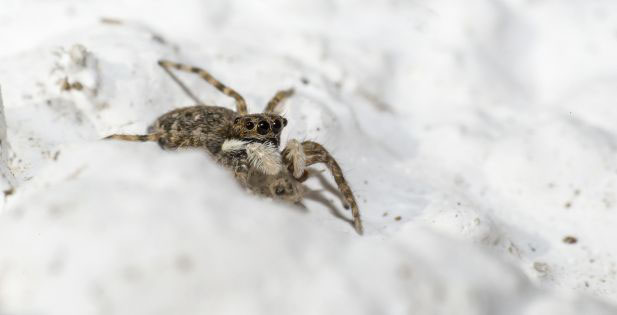
White-tail spiders (Lampona species) are common indoor and outdoor spiders found across Australia. They are known for their fast movement, flattened bodies, and the distinctive white or grey tip at the end of their abdomen. White-tail spiders often enter homes in search of prey such as other spiders, especially black house spiders. Their sudden appearance inside bedrooms, bathrooms, and wardrobes makes them one of the most frequently reported nuisance spiders in residential areas.
Threats
+White-tail spiders will bite if pressed against the skin or disturbed, usually when hiding in clothing, sheets, or stored items. Their bite typically causes:
- Sharp stinging pain
- Redness and swelling
- Itchiness or irritation
- Mild, temporary discomfort
Although myths suggest severe skin damage, scientific studies do not support this. However, reactions can vary between individuals, and children or sensitive occupants may experience stronger symptoms.
Inside homes and workplaces, white-tail spiders create additional concerns:
- Fear and anxiety due to their appearance and bite reputation.
- Risk of bites when reaching into clothes, shoes, or linen.
- Frequent indoor roaming increases unwanted encounters.
- An activity that indicates other spider infestations.
In commercial environments—especially hotels, childcare centres, offices, and storage facilities—their presence can affect safety perception and customer confidence.
Prevention
+Long-term prevention focuses on limiting hiding areas, reducing prey spiders, and sealing entry points to keep white-tail spiders out of indoor spaces.
Helpful prevention measures include:
- Shaking out clothes, towels, and bedding before use.
- Keeping bedrooms, wardrobes, and storage areas decluttered.
- Sealing gaps around doors, windows, and wall cracks.
- Installing flyscreens and weather stripping.
- Reducing black house spider webs around building exteriors.
- Vacuuming regularly behind furniture, curtains, and corners.
- Reducing outdoor lighting to minimise insect activity.
For ongoing issues, professional spider treatments, dusting, perimeter sprays, and habitat reduction provide reliable long-term control.
Summary
+White-tail spiders are fast-moving hunters that commonly enter Australian homes in search of prey. While their bites are usually mild, their presence indoors can cause fear and discomfort, especially when they hide in clothing or bedding. Effective prevention relies on reducing hiding places, managing the other spiders they feed on, and sealing entry points. Professional spider control services offer the safest and most effective long-term solution for keeping your property clean, safe, and white-tail spider-free.

