Threats
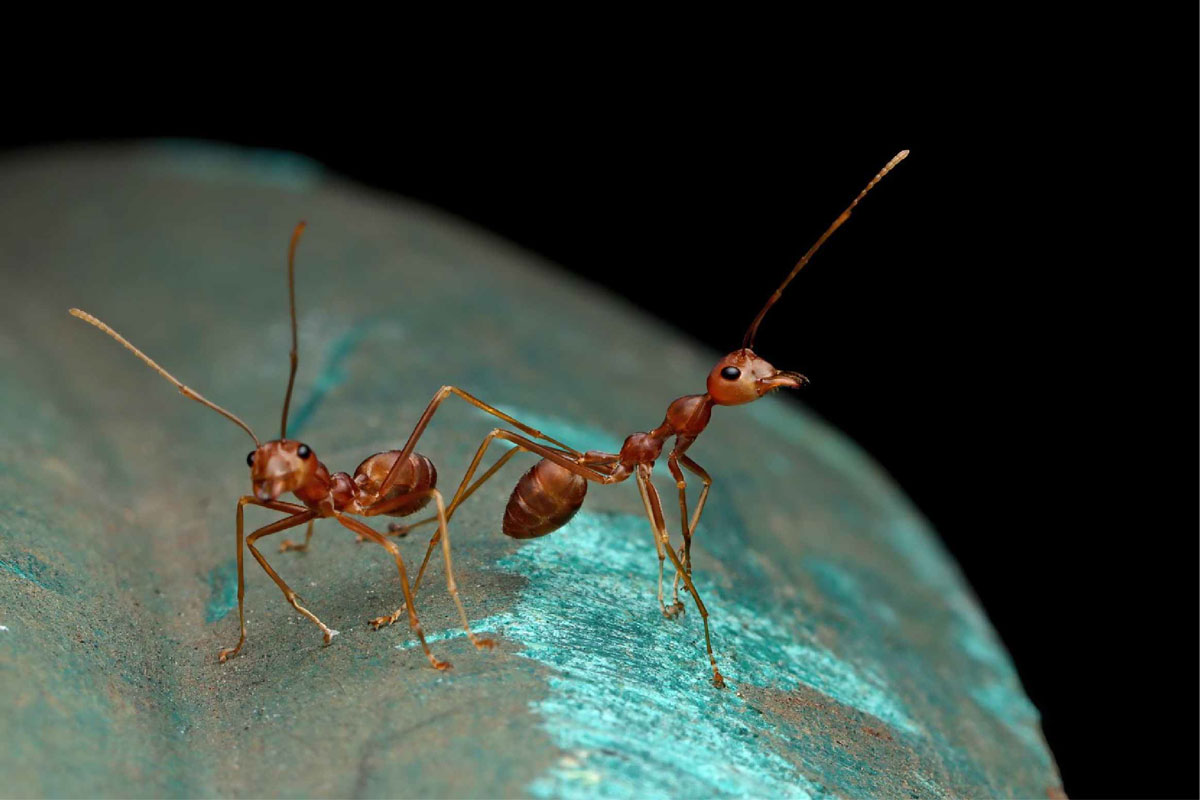
+Although small, the Singapore ant is one of the most troublesome urban pests in tropical regions, posing both domestic and structural risks. They are drawn to the warmth and electromagnetic fields of electrical devices like televisions, air conditioners, and computers. Nests inside switchboards or sockets can cause short circuits and equipment failure, while chewing insulation or seals may damage wiring and fittings.
Indoors, they contaminate food, invade kitchens and bathrooms, and may spread bacteria while foraging between waste areas and food surfaces. Once inside, they form multiple satellite nests, making control difficult. Outdoors, they can also displace smaller native ants, disrupting local ecosystems, especially in landscaped gardens.
Preventions
+Effective control focuses on hygiene, maintenance, and professional monitoring rather than heavy chemical use.
Keep food areas clean, store food in sealed containers, empty bins regularly, and avoid leaving pet food out overnight. Seal gaps, repair damaged screens, trim vegetation touching buildings, and maintain dry conditions near plumbing and under the house.
Because colonies form multiple nests, professional pest inspections are essential for severe infestations. Licensed technicians use low-toxicity baits that eliminate colonies safely without scattering ants.
Inspect electrical cabinets and switchboards regularly, keeping cables sealed. Never use aerosol sprays near power fittings — disconnect power and call a licensed technician for safe removal.
Summary
+The Singapore ant is a small but persistent pest attracted to warmth and electricity. It can invade homes, kitchens, and electrical systems, creating costly damage. Cleanliness, exclusion, and professional baiting provide the best long-term protection. Gill Pestworks supports safe, informed pest management across Melbourne to maintain healthy, ant-free homes.

