Redback Spiders
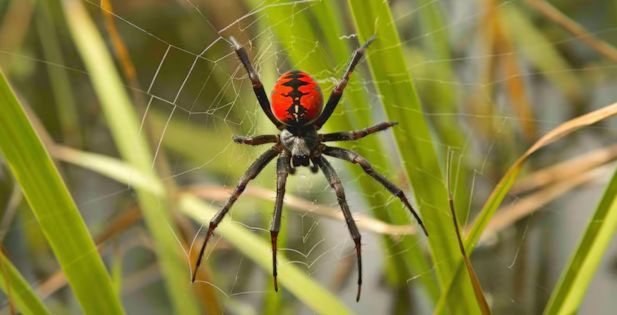
Redback spiders (Latrodectus hasselti) are one of Australia’s most well-known venomous spiders, commonly found around homes, sheds, gardens, and commercial properties. Recognisable by the female’s black body and red stripe, redbacks prefer dry, sheltered locations where they build messy, sticky webs. They become a serious concern when they nest near children’s play equipment, outdoor furniture, garages, bins, or workplace structures. Due to their medically significant bite, redback spiders require prompt management and ongoing prevention.
Threats
+Redback spiders are highly venomous, and their bites can cause serious symptoms. While they rarely leave their webs to attack, they will bite when disturbed, especially during cleaning, gardening, or moving stored items.
Symptoms of a redback bite may include:
- Severe local pain
- Sweating
- Muscle weakness
- Nausea
- Rapid heartbeat
Medical attention is essential, especially for children, elderly individuals, and pets. Antivenom is available for severe reactions.
Additional concerns include:
- Web accumulation creates hygiene issues.
- Spiders nesting in high-risk zones like playgrounds, garages, and outdoor kitchens.
- Infestations sare preading quickly due to multiple egg sacs.
- Negative safety perception in workplaces, especially schools, warehouses, and hospitality areas.
Because redbacks often hide in concealed spots, accidental encounters are common.
Prevention
+Effective redback spider prevention focuses on removing webs, reducing hiding spots, and minimising insect activity around buildings.
Recommended prevention strategies include:
- Regularly removing webs around outdoor structures and equipment.
- Wearing gloves when gardening or clearing outdoor clutter.
- Keeping yard areas clean and free from debris.
- Storing items off the ground to reduce sheltered gaps.
- Sealing gaps around doors, brickwork, and utility openings.
- Reducing outdoor lighting to limit insect attraction.
- Checking children’s play equipment regularly.
For persistent activity, professional spider treatments, perimeter sprays, dusting, and targeted web removal provide reliable, long-term protection.
Summary
+Redback spiders are a serious pest concern in Australia due to their venom and preference for living close to human activity. Their webs appear in dry, sheltered areas around homes and workplaces, creating both safety and hygiene issues. Preventing redbacks requires regular cleaning, reducing hiding spots, sealing entry points, and managing insects. Professional spider control services offer the safest and most effective way to protect your property from redback risks and maintain a secure environment.

