Mouse Spiders
Mouse spiders (Missulena species) are ground-dwelling Australian spiders known for their powerful jaws, shiny appearance, and burrow-based lifestyle. Often confused with funnel-web spiders due to their size and behaviour, mouse spiders prefer living underground in moist soil, gardens, lawns, and bushland areas. While they generally avoid human contact, they become a pest concern when their burrows appear near homes, playgrounds, workplaces, and high-traffic outdoor spaces.
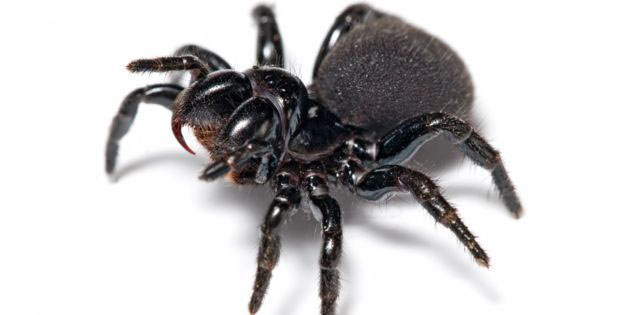
Threats
+Mouse spiders are medically significant, and their bites can be dangerous. While they are not as aggressive as funnel-web spiders, their venom is potent and may cause:
- Intense pain
- Difficulty breathing
- Sweating
- Nausea or vomiting
- Local swelling and redness
Fast medical attention is essential if a bite occurs. Children, pets, and elderly occupants are at higher risk due to their size and the strength of the venom.
Other concerns include:
- Burrows in lawns and play areas, creating safety hazards.
- High-risk sightings near homes, gardens, schools, and parks.
- Increased pest anxiety due to their appearance and behaviour.
- Bites resulting from accidental contact, especially outdoors.
Mouse spider presence often indicates a suitable environment for other ground-dwelling pests as well.
Prevention
+Long-term mouse spider prevention focuses on reducing outdoor habitat, sealing access points, and keeping lawns and garden areas well-maintained.
Effective prevention tips include:
- Wearing gloves when gardening or handling soil and mulch.
- Reducing deep mulch, leaf litter, and moisture around yards.
- Filling in burrows and holes around lawns and garden edges.
- Sealing gaps around home foundations and utility points.
- Keeping outdoor play areas clean and free from debris.
- Installing door seals and applying insect screens.
- Inspecting shoes, gloves, and outdoor equipment before use.
For ongoing problems or sightings near living areas, professional treatments such as ground barrier sprays, dusting of burrows, and habitat modification offer strong long-term control.
Summary
+Mouse spiders are powerful ground-dwelling spiders that occasionally intrude into Australian homes, gardens, and workplaces. Their venom can be harmful, making prevention especially important for families and pet owners. Reducing outdoor hiding areas, maintaining lawns, sealing gaps, and monitoring burrows are essential steps for long-term control. Professional spider management provides the most reliable protection for keeping your property safe, secure, and free from mouse spider risks.

