Huntsman Spiders
Huntsman spiders (family Sparassidae) are among the most recognisable spiders in Australia, known for their large size, long legs, and impressive speed. These spiders prefer to live outdoors but often enter homes, sheds, vehicles, and workplaces while searching for shelter or insects. Although they are not aggressive, their sudden appearance can cause alarm due to their size and fast movement. Huntsman spiders become a concern when they hide inside furniture, cars, or high-traffic indoor areas, creating fear, surprise, and potential bite risks.
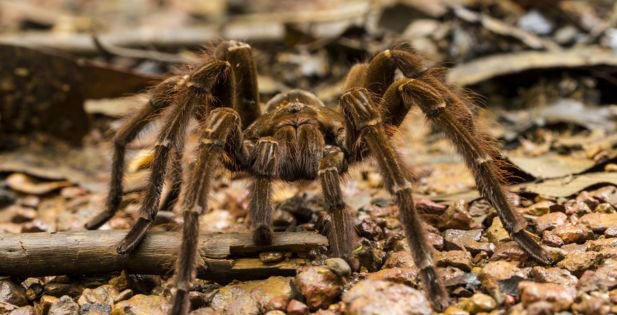
Threats
+Huntsman spiders are generally not dangerous and prefer to escape rather than bite. However, they will defend themselves if handled or cornered. A huntsman bite may cause:
- Sharp local pain
- Slight swelling or redness
- Temporary irritation
While the symptoms are usually mild, their large size and sudden movements can cause panic, especially around children, pets, or people with a fear of spiders.
Huntsman spiders also pose nuisance concerns:
- Startling drivers when they appear inside vehicles.
- Hiding behind furniture, wall hangings, or in cupboards.
- Causing fear in households and workplaces.
- Indicating an abundance of insects, which are their food source.
In workplaces, especially warehouses, workshops, childcare centres, and hospitality areas, huntsman sightings can impact comfort, hygiene perception, and customer confidence.
Prevention
+Effective huntsman control focuses on sealing entry points, reducing insect activity, and limiting hiding places inside and around buildings.
Prevention strategies include:
- Sealing gaps around windows, doors, wall cracks, and roof spaces.
- Installing weather stripping, flyscreens, and proper door seals.
- Reducing indoor insects through regular cleaning and food management.
- Clearing clutter in storage rooms, garages, and sheds.
- Trimming vegetation away from building exteriors.
- Shaking out clothes, towels, and shoes before use.
- Checking cars, sun visors, and outdoor equipment where huntsman spiders may hide.
For ongoing concerns, professional spider treatments—such as perimeter sprays, dusting, and targeted habitat reduction—provide long-lasting results.
Summary
+Huntsman spiders are large, fast-moving hunters commonly seen around Australian homes and workplaces. While not considered dangerous, their sudden appearance often causes fear and discomfort. Preventing huntsman activity involves sealing gaps, reducing insects, and maintaining clean indoor and outdoor areas. Professional spider control services offer the safest and most reliable long-term solution for keeping your property comfortable, secure, and huntsman spider-free.

