Common Starling
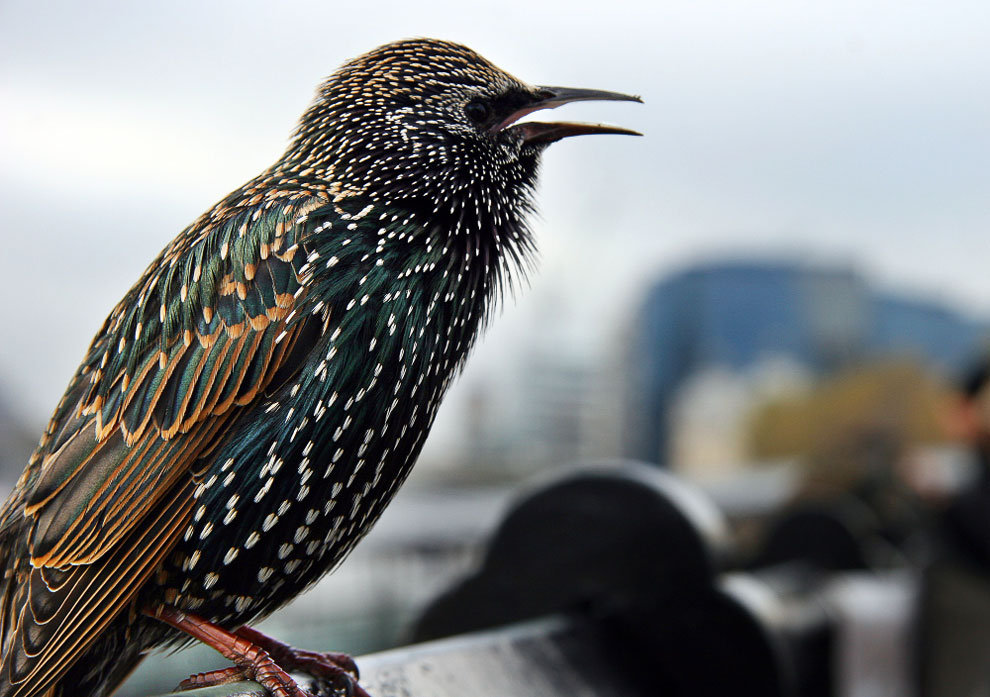
The common starling (Sturnus vulgaris) is an invasive pest bird widely found across urban, rural, and agricultural areas in Australia. Known for forming large, noisy flocks and nesting in building cavities, starlings cause serious contamination, structural damage, and crop loss. Their rapid breeding and ability to gather in huge numbers make them one of the most problematic pest birds for homes, farms, and commercial properties.
Threats
+Common starlings pose significant risks to both urban and agricultural environments. Their large droppings deposits contain bacteria, fungi, and parasites that contaminate buildings, equipment, and food surfaces. In commercial settings such as warehouses, food plants, and livestock facilities, starling droppings create hygiene and compliance issues.
Their nests clog gutters, downpipes, and ventilation systems, leading to water damage, mould growth, and potential fire hazards. In farms and orchards, starlings cause major economic losses by feeding on fruit, grains, livestock feed, and freshly sown crops. Their flocking behaviour can devastate produce within hours.
Starlings also displace native birds by aggressively competing for nesting cavities, affecting biodiversity and local ecosystems.
Prevention
+Controlling starlings requires eliminating nesting access, minimising food sources, and installing effective deterrent systems.
- Seal gaps, vents, roof cavities, and building crevices using mesh, bird-proofing materials, or metal flashing.
- Install bird netting, spikes, or wire systems on ledges, rafters, and beam structures.
- Screen solar panels and rooftop openings to block nesting entry.
- Maintain clean outdoor areas and secure bins to avoid food scraps attracting flocks.
- On farms, protect orchards and crop zones using exclusion netting or deterrent devices such as reflective tape or sound units.
- Reduce standing water and repair leaks to remove hydration points.
For large or persistent starling populations, professional trapping, exclusion installations, and flock management methods are recommended for long-term effectiveness.
Summary
+The common starling is a highly invasive pest bird that damages property, contaminates buildings, and causes significant agricultural losses. Their ability to nest in small openings and gather in large, noisy flocks makes early prevention essential. A combination of exclusion, sanitation, and specialised bird control systems provides the most reliable solution to keep your property protected from starling infestations.

