Common Myna
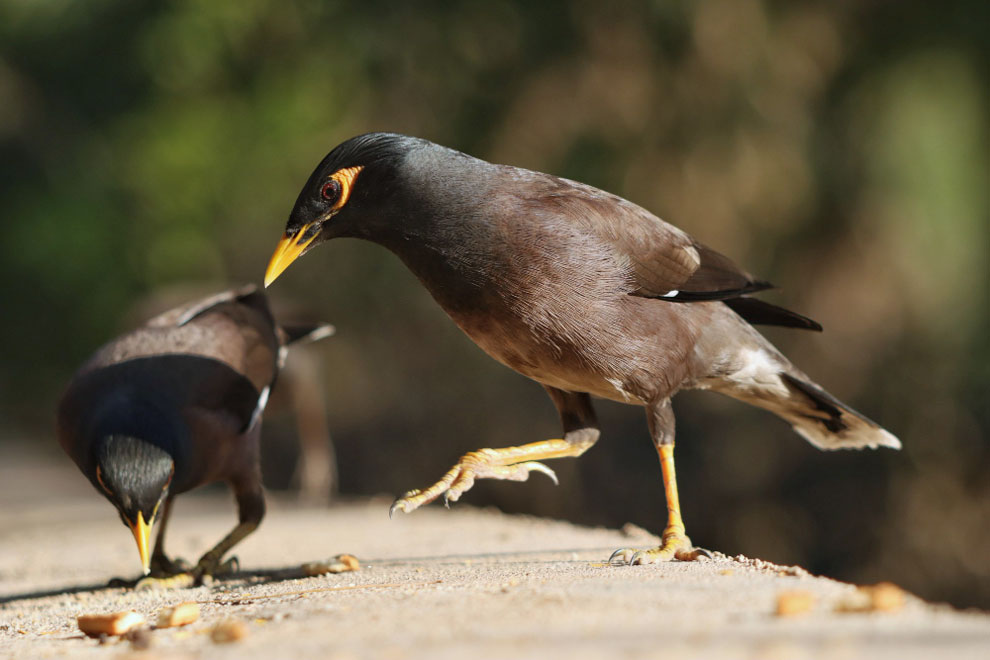
The common myna (Acridotheres tristis) is one of Australia’s most invasive urban pest birds. Highly adaptable and aggressive, mynas thrive in residential areas, parks, outdoor dining zones, shopping centres, and agricultural regions. Known for displacing native birds, creating loud noise, and nesting inside roofs and building gaps, they pose significant environmental, health, and property risks.
Threats
+Common mynas are considered a major pest due to both environmental and property-related impacts. Their aggressive behaviour pushes out native species such as parrots, rosellas, and small insectivorous birds, reducing biodiversity. They also raid crops, fruit trees, and garden beds, causing economic damage in agricultural and suburban areas.
Inside buildings, myna nests block ventilation systems, air-conditioning ducts, and roof drainage, leading to odours, water leakage, and fire hazards. Their droppings contain bacteria, fungi, and parasites that can contaminate surfaces and trigger allergies or respiratory irritation. In commercial settings such as cafes, warehouses, and food courts, their presence can cause hygiene concerns and increase the risk of food contamination.
Their loud calls and flocking behaviour create noise pollution, especially during breeding or roosting periods when dozens of birds gather at one site.
Prevention
+Effective myna control focuses on blocking access to nesting sites, reducing attractants, and using targeted deterrent systems.
- Seal gaps, cracks, and openings in roofs, eaves, vents, and wall cavities to prevent nesting.
- Install mesh screens over exhaust vents and air-conditioner gaps.
- Keep outdoor eating areas clean, secure bins, and remove food scraps that attract foraging birds.
- Trim trees close to buildings and eliminate clutter where nests may be built.
- Use deterrents such as bird spikes, netting, reflective devices, and audio repellents to discourage roosting.
- For persistent populations, professional trapping and exclusion methods are required to reduce flock size and prevent re-entry.
Avoid feeding common mynas, as this encourages territorial expansion and increases both noise and nesting activity around homes or businesses.
Summary
+The common myna is an invasive urban pest known for displacing native birds, damaging property, and creating noise and hygiene issues. Because they breed quickly and adapt to human environments, early prevention and consistent monitoring are essential. A combination of exclusion, sanitation, and professional bird control solutions offers the most effective long-term protection for homes, gardens, and commercial properties.

