Threats
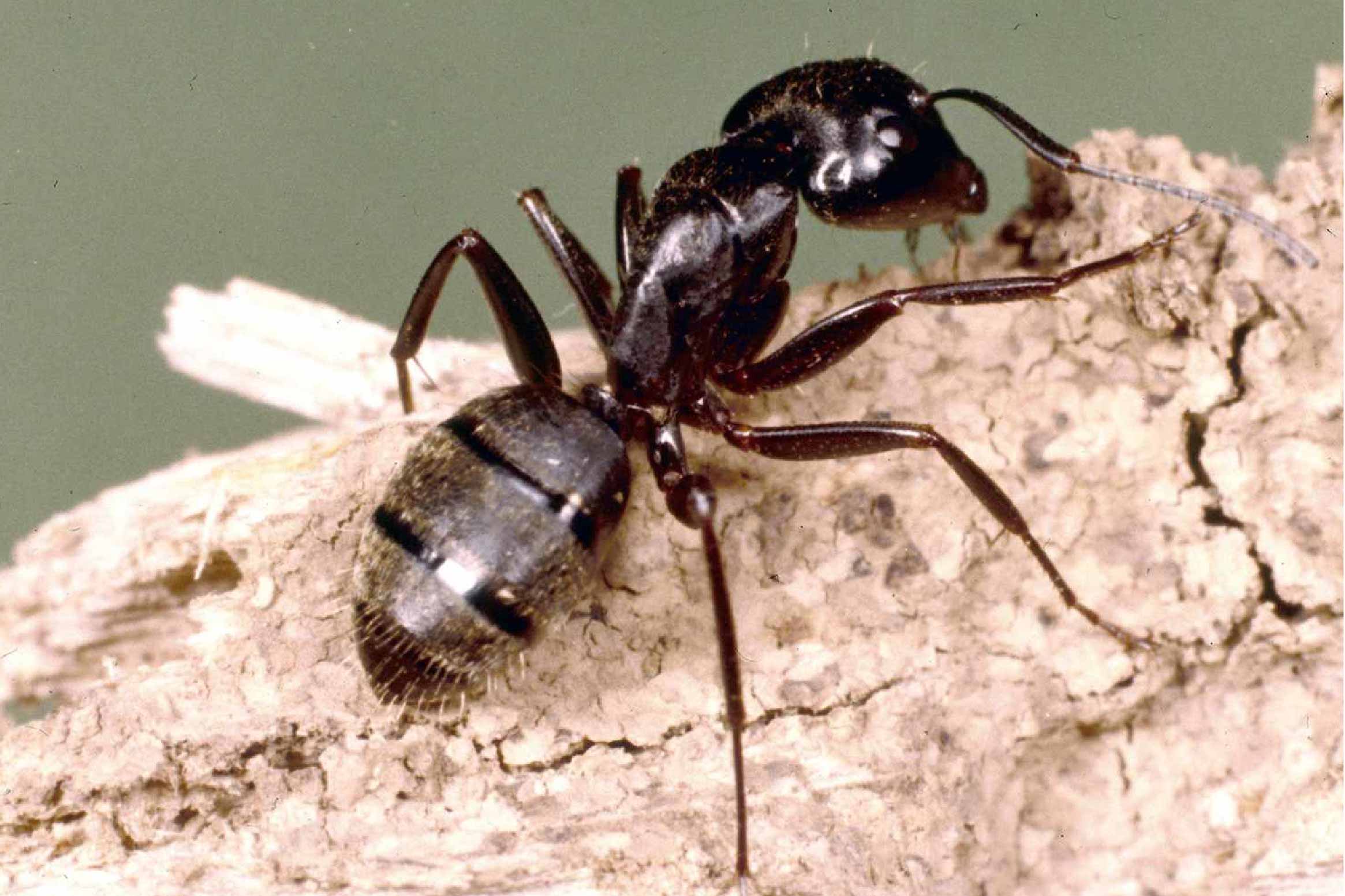
+Carpenter ants pose a structural threat due to their nesting habits. They excavate smooth tunnels inside timber, weakening beams, frames, and flooring — especially in damp or untreated wood. Though they don’t eat wood like termites, long-term infestations can cause sawdust-like frass, faint rustling in walls, and hollow-sounding timber. Older homes with leaks or moisture damage are most at risk.
They may also expand into insulation, electrical conduits, or foam panels, leading to inefficiency or occasional short circuits. Outdoor nests near sheds or power poles can spread indoors if conditions are suitable. While not a health risk, their presence indicates moisture or decay, often requiring both pest control and minor repairs.
In gardens, carpenter ants act as scavengers and predators but can disturb the natural balance by outcompeting other insects and protecting honeydew-producing pests such as aphids.
Preventions
+Prevention focuses on removing moisture and decayed wood, as sprays alone don’t reach colonies. Repair leaks in roofs and plumbing, replace or treat rotting timber, and trim vegetation that touches the house. Seal gaps around doors, windows, vents, and foundations, and ensure roof voids or crawl spaces are dry and well-ventilated.
Keep firewood and timber piles off the ground and away from walls, and store sweet or greasy foods in sealed containers. Remove old stumps, logs, and garden waste that attract nesting ants.
For infestations, professional pest control is recommended. Experts locate and treat the parent colony using slow-acting bait systems or targeted dust formulations. Advanced tools such as thermal imaging and moisture meters help detect hidden nests and ensure complete eradication.
Summary
+Carpenter ants are part of Australia’s ecosystem but can cause serious issues when nesting in damp wood. Managing moisture, maintaining sound timber, and seeking professional inspection when early signs appear are key to preventing costly damage. Gill Pestworks helps Melbourne residents protect their homes through proactive pest management and prevention.

