Threats
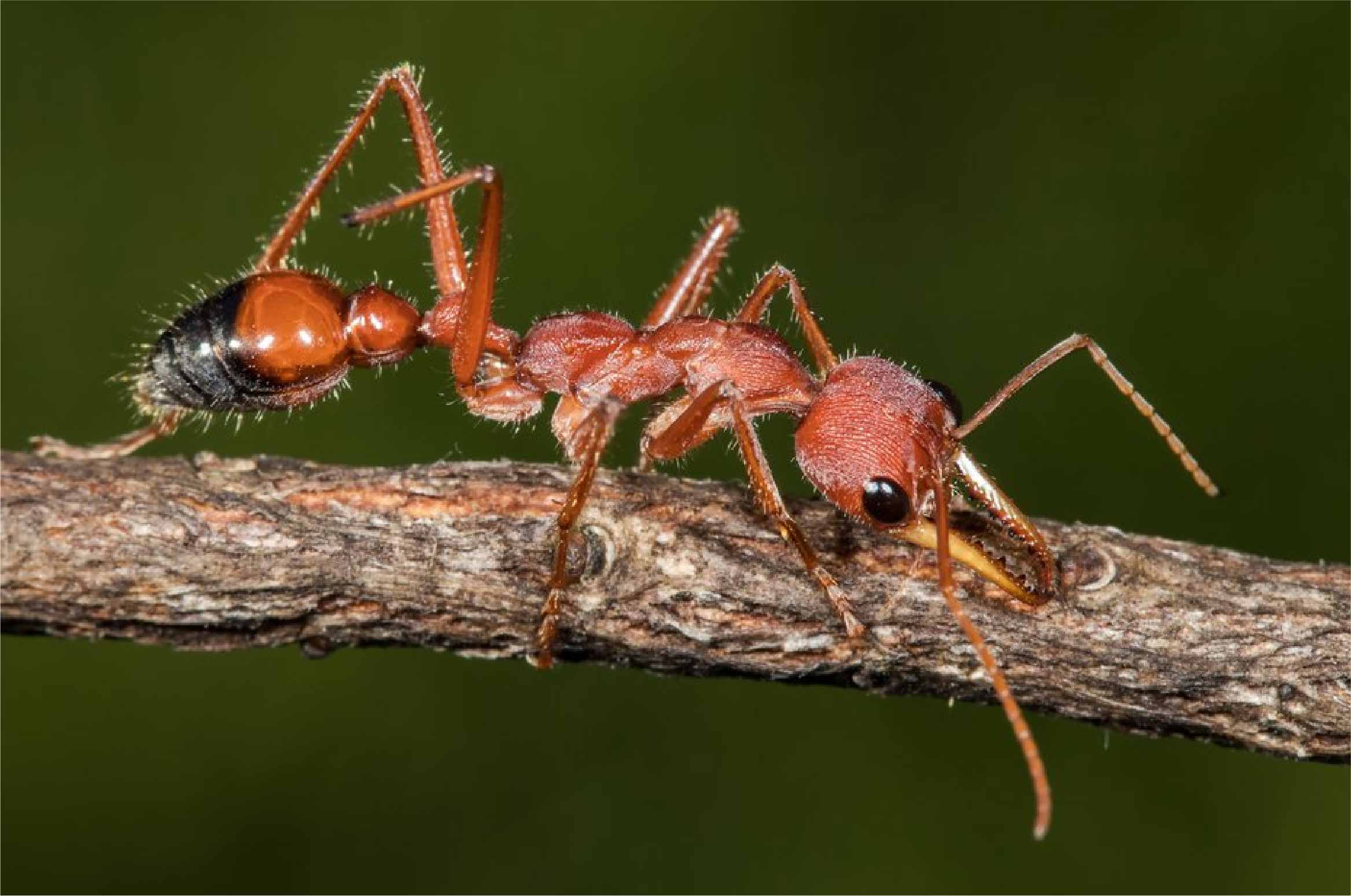
+Bull ants are not just intimidating because of their size—they can pose genuine risks to humans and pets. Their sting injects venom that causes immediate pain, swelling, and in some cases, allergic reactions. Outdoor activities such as gardening, picnicking, or children playing can easily lead to accidental encounters near nests.
They are also aggressive defenders of their territory. Disturbing a nest can provoke a fast, coordinated attack by multiple ants. While bull ants play an ecological role in controlling other insects, they become a problem when nesting too close to human activity.
In rural and suburban areas, they may invade yards, pathways, or even potted plants, making certain outdoor zones unsafe until the colony is properly managed.
Preventions
+Effective bull ant management requires caution and professional expertise. Because of their painful stings and aggressive nature, DIY control is not recommended.
Here are some preventive steps and control measures:
- Keep lawns trimmed and remove rocks or wood piles where nests may form.
- Seal gaps in pavements, garden edges, or around the foundation of the house.
- Avoid leaving sugary or protein-rich food scraps outdoors.
- Observe areas where ants frequently appear – this helps professionals locate and treat the nest effectively.
Professional pest technicians use targeted treatments and baiting systems designed specifically for bull ant colonies. These treatments safely eliminate the nest without disturbing the surrounding environment.
Gill Pestworks’ licensed experts ensure safe, low-toxicity solutions that protect your family, pets, and outdoor spaces.
Summary
+Bull ants are large, aggressive insects known for their painful sting and territorial behaviour. While they are part of Australia’s natural ecosystem, they become a serious concern when nesting near people or pets.
Maintaining a tidy yard, identifying nests early, and seeking professional assistance are key to staying safe.
Gill Pestworks provides safe, reliable bull ant removal services across Melbourne, ensuring your property remains secure and comfortable for everyone.

