Threats
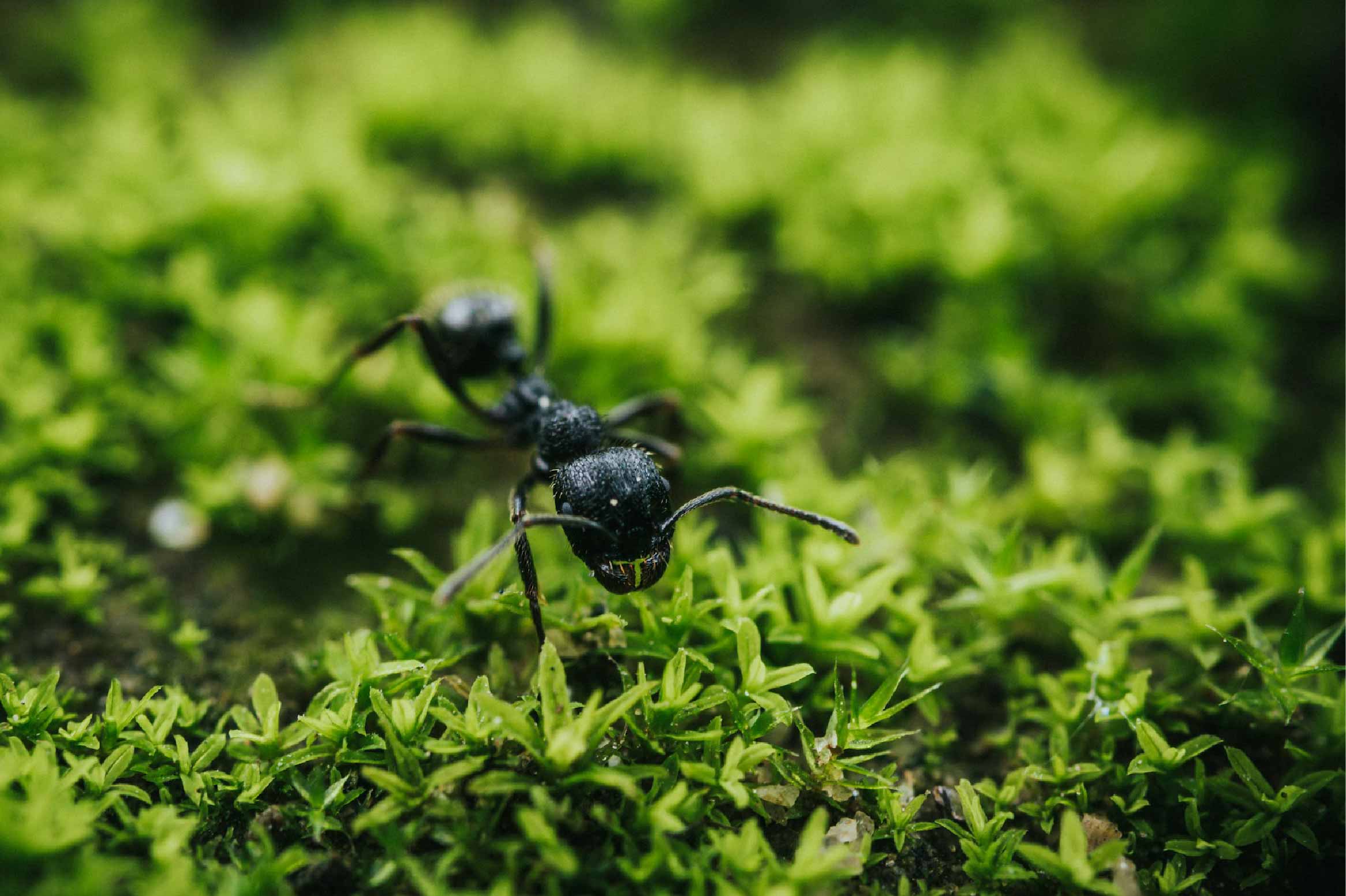
+By tending aphids and scale insects, black garden ants increase sap-feeding pests, which can cause sooty mould, reduced photosynthesis, and weaker plants. This is especially problematic in gardens, lawns, and orchards, where infestations can lower plant health and yield. Indoors, they become a nuisance pest, contaminating food, invading pantries, and forming visible trails along benches and walls. Although they don’t sting or transmit disease, their presence in kitchens or food businesses can create hygiene and cleanliness concerns.
While black garden ants do not chew timber like carpenter ants, their nesting activity under paving or turf can shift soil and disturb plant roots. Over time, this may lead to uneven paving, small holes, or raised soil mounds. In lawns, tunnelling can weaken turf and create unsightly patches, particularly in warm and moist environments where colonies expand rapidly.
Preventions
+Because colonies can be extensive, effective prevention focuses on reducing attractants, blocking access, and using targeted baiting instead of surface sprays alone. Maintain good sanitation by keeping surfaces clean and dry, wiping spills immediately, and storing food in sealed containers. Clean bins and drains regularly to remove residues that attract foraging ants.
Outdoors, remove debris such as leaf litter, wood piles, and excess mulch near foundations. Trim shrubs and branches touching exterior walls to reduce entry points, and seal cracks or gaps around doors, windows, and service lines. Fix leaking taps or irrigation systems to eliminate moisture sources. For active infestations, use slow-acting baits that workers carry back to the nest for full colony control. Avoid relying solely on sprays, as these kill only visible workers and can cause colonies to split. Regular inspection of likely nesting zones — under paths, near compost, or around water sources — helps detect activity early and simplify control.
Summary
+Black garden ants are common across urban and garden areas. While generally harmless, their association with sap-feeding pests and tendency to invade homes makes management important. A combination of good hygiene, garden maintenance, and well-chosen baiting methods, supported by regular monitoring, offers the best long-term control. Consistent prevention reduces reinfestation and keeps your home and garden healthy, clean, and ant-free.

