
info@gillpestworks.com.au | Trading Hours: Mon – Fri: 7:00 AM - 6:00 PM, Sat: 7:00 AM - 6:00 PM info@gillpestworks.com.au | Trading Hours: Mon – Fri: 7:00 AM - 6:00 PM, Sat: 7:00 AM - 6:00 PM
Gill Pestworks Blog

Found a Wasp Nest in Your Yard? Avoid These Common Mistakes

17 Sep 2026

Spotting a wasp nest tucked under the eaves or hanging low in a garden tree tends to trigger one of two reactions: grab whatever’s nearby and deal with it immediately, or panic and avoid that entire side of the yard indefinitely. Neither response ends particularly well, and a surprising number of DIY attempts actually make the situation worse rather than better.

If you’ve recently found a nest and you’re weighing up whether to handle it yourself or search for wasp removal in Officer, it’s worth understanding exactly what not to do first. A few common mistakes turn a manageable situation into a genuinely dangerous one, and knowing them in advance can save you a trip to the doctor.

Mistake One: Spraying the Nest During the Day

It's tempting to deal with a nest the moment you spot it, but daytime spraying is one of the riskiest approaches you can take. Wasps are most active during daylight hours, which means a large number will be out foraging and will return mid-treatment, aggressive and ready to defend what's left of their home.

Professional wasp removal in Officer typically happens at dusk or after dark, when the entire colony has returned to the nest and activity levels drop significantly. Attempting this during the day dramatically increases the chances of multiple stings, particularly if the nest turns out to be larger than it first appeared.
Mistake Two: Standing Too Close While Assessing the Nest

Getting a closer look feels like the natural first step, but wasps don't need much provocation to see a nearby human as a threat. Vibrations, sudden movement, or even body heat can be enough to trigger a defensive response from a colony that's already on edge.

A safe distance for observing a nest is considerably further away than most people assume, generally several metres at minimum. If you're genuinely unsure how large the nest is or which species you're dealing with, it's far safer to photograph it from a distance and consult wasp control services in Officer rather than approaching for a closer inspection.

Mistake Three: Blocking the Entrance

Sealing off the entry point might seem like a logical way to trap the colony inside, but this approach almost always backfires. Wasps trapped inside a blocked nest don't simply give up; they search aggressively for an alternative exit, which often means chewing through nearby structures like eaves, wall cavities, or roofing material to escape.

This can turn a contained outdoor problem into wasps emerging inside the house entirely, which is a considerably worse situation than the one you started with. Nest removal needs to account for the whole colony, not just the visible entrance, which is exactly why residential wasp removal in Officer involves proper elimination rather than a quick block-and-hope approach.

Mistake Four: Using Water to Try to Wash the Nest Away

A garden hose feels like a low-risk option compared to chemical sprays, but water rarely does much beyond angering the colony. Wasp nests are built from a papery material that holds up reasonably well against a light spray, and disturbing the structure without actually destroying it provokes a defensive swarm response.

This method also tends to scatter wasps rather than eliminate them, meaning some may relocate to rebuild nearby rather than being dealt with at all. A licensed wasp removal provider in Officer uses methods designed to eliminate the colony, not just disturb its structure temporarily.

Mistake Five: Ignoring a Nest Because It Seems Small

A small nest can look manageable, even harmless, particularly early in the season before the colony has had time to grow. That assumption causes plenty of homeowners to put off dealing with it, thinking there's no urgency involved.

Wasp colonies expand quickly once established, sometimes growing from a handful of individuals to several hundred within just a few weeks during warmer months. What starts as a minor nuisance can become a genuinely dangerous nest within a relatively short window, which makes early professional wasp removal near me a far smarter move than waiting to see how things develop.

Mistake Six: Assuming All Wasp Species Behave the Same Way

Not every wasp reacts to disturbance in the same way, and treating them all identically can lead to a nasty surprise. European wasps, in particular, are considerably more aggressive than native paper wasps and tend to defend their nests with far greater intensity when threatened.

Misjudging which species you're dealing with often means underestimating the risk involved in getting close. Professional wasp removal in Officer includes proper species identification as part of the process, ensuring the right approach and equipment gets used for whatever colony is actually present.

Mistake Seven: Attempting Removal Without Proper Protective Equipment

Standard gardening gloves and a long-sleeved shirt offer nowhere near enough protection against a defensive wasp colony. Multiple stings in a short period can trigger a serious allergic reaction even in people who've never had issues with individual stings before, and that risk climbs significantly during an active nest disturbance.

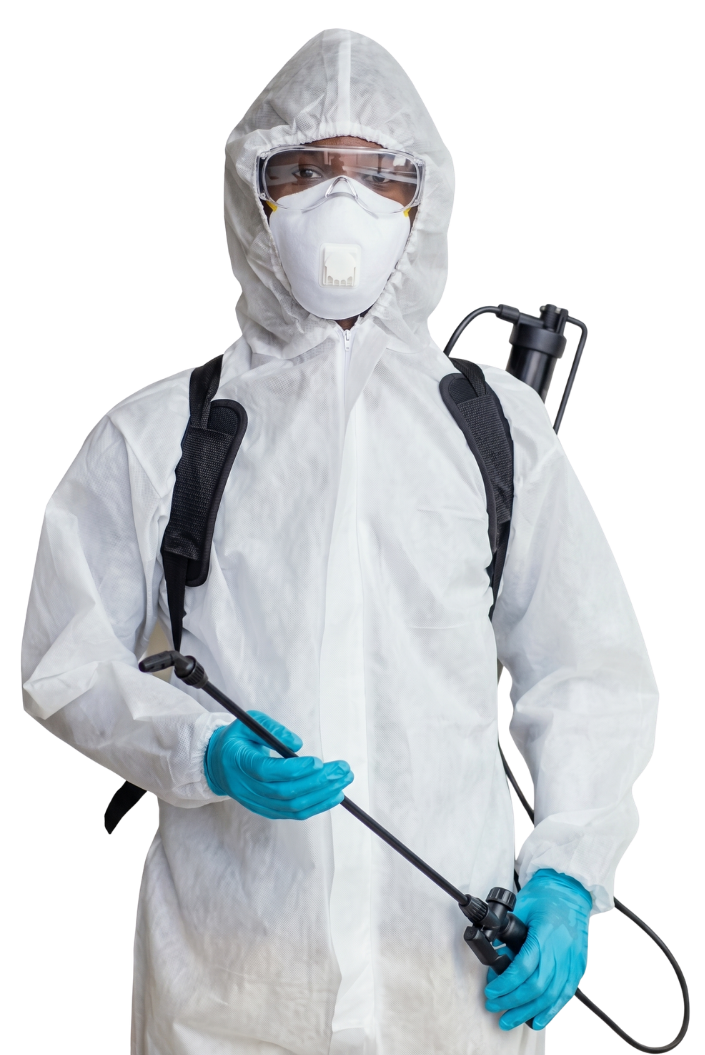
Professional wasp removal in Officer involves proper protective suits, appropriate treatment products, and the experience to gauge colony size and aggression levels before getting anywhere near the nest itself. This isn't a job where cutting corners on safety equipment tends to work out well.

When to Call for Wasps Removal Near Me Instead of Handling It Yourself

Given how many of these mistakes stem from underestimating the risk involved, calling in professional help is almost always the safer, more effective route. Searching for wasp removal near me becomes particularly important if the nest is in a high-traffic area, close to children's play spaces, or belongs to a more aggressive species like the European wasp.

A wasp nest removal provider in Officer will assess the colony safely, choose the right timing and method, and eliminate the nest rather than leaving a partially disturbed colony to rebuild or relocate somewhere less convenient to reach.

Final Thoughts

A wasp nest rarely resolves itself, and most DIY attempts to speed up the process end up creating more risk than they remove. Spraying at the wrong time, blocking entrances, or misjudging a colony's size and aggression are mistakes that can turn a manageable situation into a genuinely dangerous one. Gill Pestworks handles wasp nest removal across Officer with the proper equipment, timing, and species knowledge needed to clear a nest safely and completely, rather than leaving a half-solved problem behind.

FAQs

Frequently Asked Questions

Is It Safe to Remove a Wasp Nest Myself? +

It's generally not recommended, particularly for larger nests or aggressive species like European wasps, since DIY attempts often increase the risk of multiple stings.

Why Shouldn't I Spray a Wasp Nest During the Day? +

Daytime spraying disturbs the colony while most wasps are out foraging, meaning they'll return mid-treatment in a defensive, aggressive state.

Can Blocking a Wasp Nest Entrance Solve the Problem? +

No, trapped wasps often chew through nearby structures to escape, which can push the problem indoors rather than resolving it outside.

How Quickly Can a Small Wasp Nest Become a Bigger Problem? +

Colonies can grow from a handful of wasps to several hundred within a few weeks during warmer months, so early action matters.

When Should I Call a Professional Instead of Waiting? +

If the nest is in a high-traffic area, near children, or belongs to a more aggressive species, professional removal is the safer option from the start.