
info@gillpestworks.com.au | Trading Hours: Mon – Fri: 7:00 AM - 6:00 PM, Sat: 7:00 AM - 6:00 PM info@gillpestworks.com.au | Trading Hours: Mon – Fri: 7:00 AM - 6:00 PM, Sat: 7:00 AM - 6:00 PM
Gill Pestworks Blog

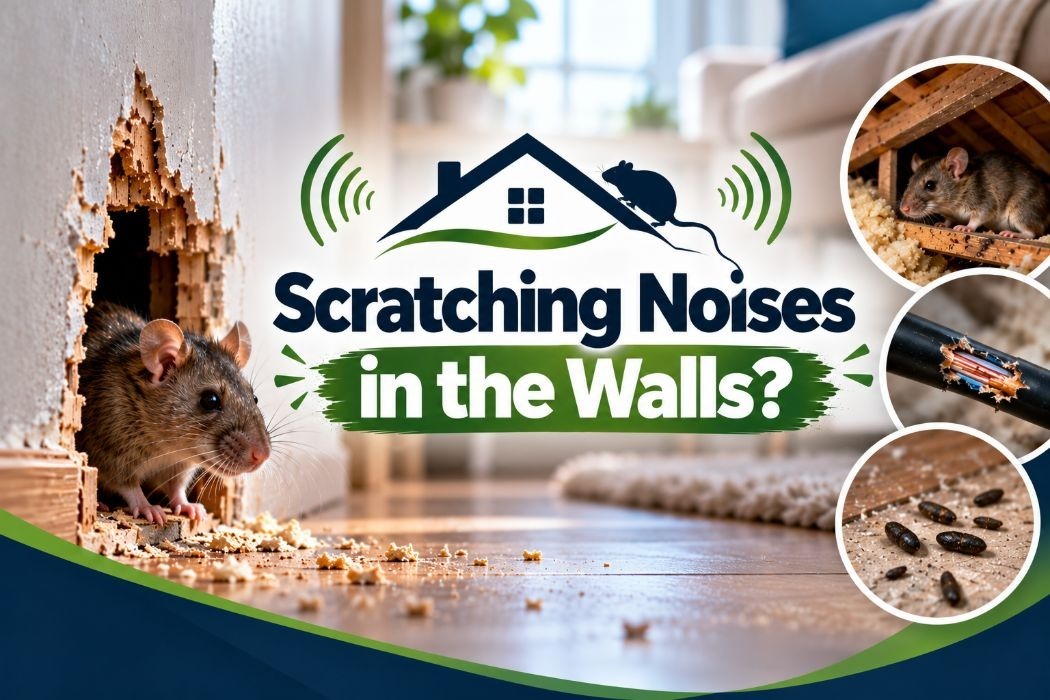
Scratching Noises in the Walls? How to Confirm a Rodent Problem in Officer

30 Oct 2026

It’s 2 am, the house is finally quiet, and then you hear it: a faint scratching somewhere inside the wall. You lie there wondering whether it’s the pipes settling, a possum on the roof, or something far less welcome. Most people don’t sleep properly again until they know for sure.

Confirming a rodent problem early makes everything easier, from cleanup to cost. This guide covers what those noises mean, how to tell rats from mice, how to rule out other culprits, and when it’s time to call in rodent control in Officer.

What the Sounds Are Telling You

Rodents are mostly nocturnal, so the noise tends to start after dark and peak around dusk and in the early hours. Scratching, scurrying, and the occasional gnawing sound inside walls and ceilings are classic signs, especially when they follow the same route night after night.

Pay attention to timing and pattern. A one-off noise might be nothing, but regular activity in the same spot at the same time suggests a rodent that’s found a comfortable route and plans to stay. Anyone weighing up rodent control in Officer should start by noting when and where the noises happen, because that detail helps a technician narrow down the search.
Rats or Mice? Reading the Difference

The type of noise can clue you into who’s living upstairs. Mice make lighter, quicker scratching and pattering sounds, like someone tapping fingernails on the ceiling. Rats are heavier, so you’ll often hear thumping, dragging, or louder gnawing.

Why does it matter? Rat control and mouse control require different bait sizes, trap types, and entry-point checks because rats need a much bigger gap than mice to squeeze through. Knowing which one you’re dealing with helps a technician plan the right approach from the very first visit.

Something

Not every night noise means rodents. Possums are common around Officer and often make heavy thumping and dragging sounds in the roof at dusk, sometimes with hissing or growling. Birds nesting in the eaves chirp and flutter, usually during the day, and pipes can tick or knock as they heat up and cool down.

Insects can fool you too. Large numbers of cockroaches or termites can produce faint rustling or clicking sounds inside walls. If the noises don’t match the typical rodent pattern, or you can’t pin down a cause, it’s worth getting a professional opinion rather than guessing.

Other Signs That Back It Up

Sounds are only one piece of the puzzle. Look for gnaw marks on timber, packaging, and cables, along with greasy rub marks on walls and skirting boards where rodents brush past again and again. A sharp, musky smell in enclosed spaces is another giveaway, as are shredded paper, insulation, or fabric gathered into a nest.

Pets can also act as an early warning system. Dogs and cats often fixate on a wall or cupboard where they can hear or smell movement. Droppings are another clear sign, and we’ve covered how to read them in our guide to rodent droppings and infestation size, so check that out if you’ve spotted any.

Simple Checks You Can Do at Home

A few easy tests can help confirm what’s going on. Sprinkle a thin layer of flour or talcum powder along a suspected route, such as behind the fridge or beside a skirting board, then look for tiny footprints and tail marks the next morning. Leaving a phone or small camera pointed at the area overnight can also capture activity.

If you can safely access the roof cavity, a torch check can reveal nests, damaged insulation, or chewed wiring. Keep safety in mind, though. Roof voids can be hot, cramped, and full of hazards like exposed wiring, so don’t push on if it doesn’t feel safe. If your checks come back positive, booking rodent control in Officer is the logical next step.

Why Acting Quickly Matters

Rodents breed fast. A single pair can produce several litters a year, so a couple of visitors can turn into a full colony within months. More rodents mean more contamination, more noise, and more damage.

Chewed wiring is a particular worry, since rodents gnaw constantly to keep their teeth worn down, and damaged cables can create a fire risk. That’s why catching the problem early and calling a professional sooner rather than later protects both your health and your property.

Why Traps Alone Often Fall Short

Supermarket traps and baits can catch a few rodents, which feels like progress. But they rarely address how the rodents got in or where the nest is, so survivors keep breeding.

It’s a bit like bailing water out of a boat without fixing the hole. Residential rodent control in Officer works best when it finds entry points, treats the nest area, and keeps new arrivals out.

What Professional Rodent Control in Officer Involves

A technician starts with a full inspection, tracing travel routes, checking the roof void and subfloor, and identifying entry points around the home. From there, they combine baiting, trapping, and monitoring with advice on sealing gaps, so the problem doesn’t return.

Professional rodent control in Officer also includes follow-up visits, because rodents breed quickly and a single treatment may not catch every newcomer. A licensed pest control provider in Officer will explain what they’ve found, what they recommend, and what to expect, so there are no surprises.

When to Search for Rodent Control Near Me

If you’ve heard regular scratching, spotted gnaw marks, or found any of the other signs above, it’s time to start searching for rodent control near me. A proper inspection will confirm what you’re dealing with and how far it’s spread, something you can’t reliably determine by guessing.

When you search for rodent control near me, look for a provider that offers a thorough inspection, explains their plan, and includes follow-up support. Those details matter far more than a low headline price, and they’re a good sign the service will deliver lasting results.

Final Thoughts

Scratching in the walls is rarely your imagination, and it rarely fixes itself. Learning to read the sounds, rule out other causes, and look for supporting signs lets you act with confidence instead of lying awake guessing. At Gill Pestworks, our team inspects, treats, and follows up on rodent problems across Officer so that you can get back to a quiet night’s sleep with rodent control in Officer you can trust.

FAQs

Frequently Asked Questions

What Causes Scratching Noises in the Walls at Night? +

Rodents are the most common cause, since rats and mice are active after dark. Possums, birds, and insects can also make noises, so look for other signs before assuming it's rodents.

How Can I Tell If It’s a Rat or a Mouse? +

Mice make lighter, faster scratching and pattering sounds, while rats are heavier and tend to thump, drag, or gnaw louder. Gnaw marks and the size of entry gaps can help confirm it.

How Can I Confirm a Rodent Problem Myself? +

Look for gnaw marks, rub marks, nesting material, and a musky smell. A light dusting of flour along a suspected route can also reveal footprints overnight.

Is It Safe to Check the Roof Cavity Myself? +

Only if you can reach it safely; roof voids can hide exposed wiring and extreme heat, so it’s often better to let a technician inspect it.

When Should I Book Rodent Control in Officer? +

Book as soon as you confirm regular activity, gnaw marks, or signs of nesting. Rodents breed quickly, so early treatment is simpler and cheaper.