
info@gillpestworks.com.au | Trading Hours: Mon – Fri: 7:00 AM - 6:00 PM, Sat: 7:00 AM - 6:00 PM info@gillpestworks.com.au | Trading Hours: Mon – Fri: 7:00 AM - 6:00 PM, Sat: 7:00 AM - 6:00 PM
Gill Pestworks Blog

Rodent Droppings Reveal How Big Your Infestation Really Is

14 Oct 2026

You’ve found a scattering of small, dark pellets in the back of the pantry, and now your mind is racing. Is it one mouse that wandered in from the garden, or a whole family settled in above the ceiling? Rodents rarely announce themselves, so their droppings are often the first honest clue you get.

Understanding these signs correctly can prevent weeks of unnecessary uncertainty. This guide covers how to identify rodent droppings, what their quantity and placement reveal about an infestation, and when to consider professional rodent control in Officer before the situation escalates.

What Rodent Droppings Actually Look Like

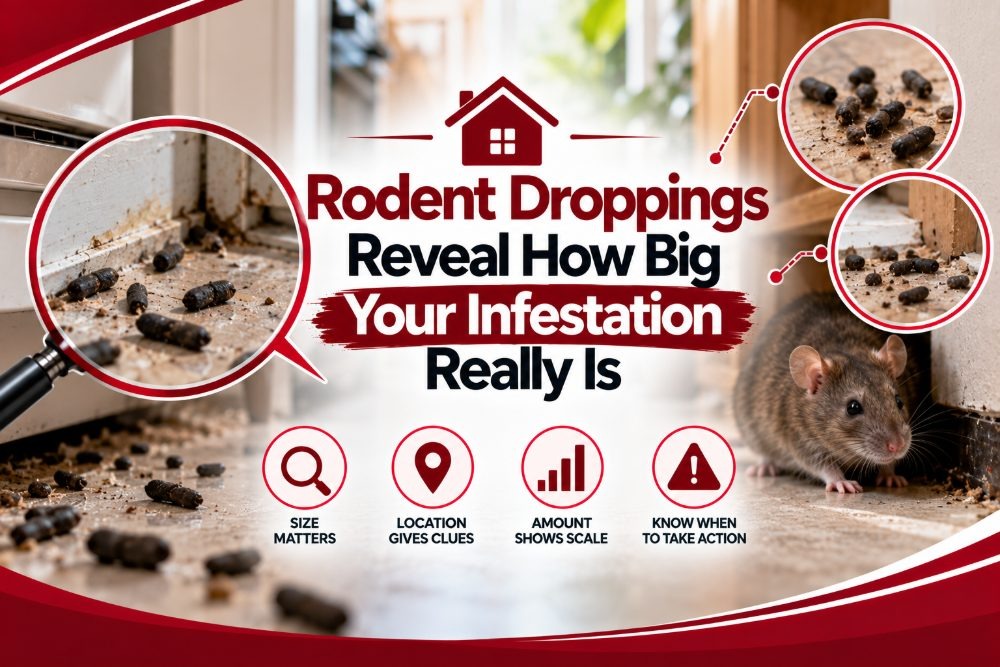
Fresh droppings are dark brown or black, slightly shiny, and soft when pressed. Over a few days, they dry out, turn grey, and crumble easily. That simple change in texture tells you roughly how recently the rodents passed through.

Size matters too. Rat droppings are noticeably larger, closer to a jelly bean in size, and often have blunt or rounded tips. Knowing the difference helps you work out which pest you’re dealing with before anyone picks up the phone.
How the Amount Tells You the Size of the Problem

A handful of scattered droppings in one spot often points to a lone visitor or a small, new problem. A single mouse can leave dozens of droppings in a day, though, so even a modest amount deserves attention rather than a shrug.

Heavy accumulation is a different story. Piles in several locations, or droppings in layers of different ages, suggest an established population that’s been feeding and nesting for some time. Think of it like footprints on a beach: a few tell you someone walked by, while a worn path tells you they live nearby.

Where You Find Droppings Matters Just as Much

Rodents follow the same routes again and again, usually hugging walls and edges. Droppings along skirting boards, behind appliances, and inside cupboards show you their travel paths and feeding spots.

Droppings in the roof cavity or subfloor tell another story entirely. Those areas offer warmth and shelter, so finding evidence there often means rodents are nesting rather than just passing through. If you’re seeing droppings in more than one area of the house, the infestation has probably spread well beyond its starting point.

Other Signs That Back Up What You’ve Found

Droppings rarely show up alone. Gnaw marks on food packaging, timber, or wiring are a common companion, and so are greasy rub marks along walls where rodents brush past repeatedly. A sharp, musky smell in enclosed spaces is another giveaway.

Sounds count as evidence as well. Scratching or scurrying in the ceiling at night, especially around dusk, usually confirms what the droppings were already hinting at. When several of these signs appear together, you can be fairly confident the problem is active rather than historical.

Why Rodent Droppings Are More Than Just Unpleasant

Droppings aren’t only a nuisance. They can carry bacteria such as Salmonella, and rodents contaminate food, benchtops, and storage areas as they travel. Dried droppings can also break down into fine dust, which is why careless cleaning can make the situation worse.

Households with children, pets, or anyone with a sensitive immune system should treat any discovery seriously. Contamination in a pantry or kitchen means affected food needs to be thrown out rather than risked.

How to Clean Up Rodent Droppings Safely

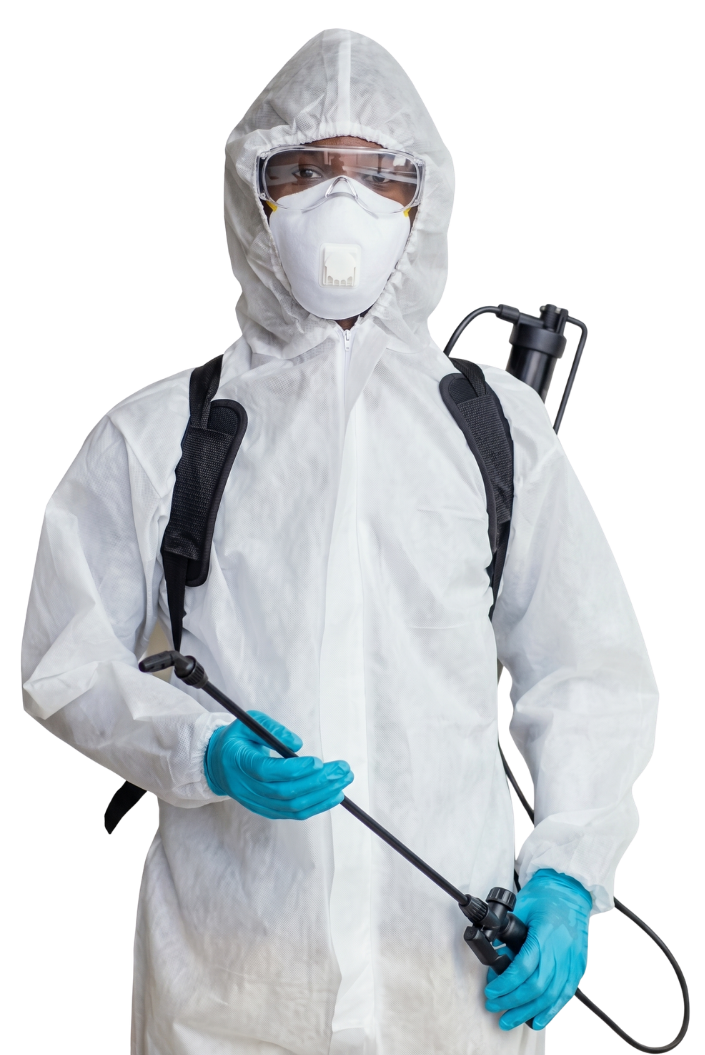
Resist the urge to grab a broom or vacuum straight away. Sweeping dry droppings sends particles into the air, and that’s exactly what you want to avoid. Put on gloves and a mask, then spray the area with disinfectant and let it soak for a few minutes before wiping it up with paper towels.

Seal the waste in a bag, bin it, and wash your hands thoroughly afterwards. Cleaning up is worthwhile, but it only deals with the mess. If rodents are still active, the droppings will keep coming back, which is why the next step matters most.

Why Cleaning Alone Won’t Solve It

Think of droppings as a smoke signal rather than the fire itself. Wiping them away doesn’t remove the rodents producing them, and it doesn’t close the entry points they’re using. A gap the size of a coin is enough for a mouse to squeeze through, and rats can pass through openings smaller than most people expect.

Baits and traps from the supermarket can help with a minor problem, but they often miss the full population. Properly targeted rodent control in Officer starts with finding how they’re getting in and where they’re nesting, then treating the whole problem instead of just the individuals you happen to catch.

What Professional Treatment Involves

A technician begins with a thorough inspection, using the droppings and other signs to trace travel routes and nesting areas. From there, they combine monitoring, baiting, and trapping with advice on sealing entry points, so new rodents can’t simply replace the old ones.

Follow-up visits are part of a solid plan. Rodents breed quickly, so confirming the problem’s gone and staying ahead of any new activity gives you results that actually last.

Rodent Problems Across the Surrounding Suburbs

Rodents don’t respect suburb boundaries, and activity often follows new developments, open land, and established gardens across the region. Homeowners searching for rodent control in Cranbourne, Narre Warren, Berwick, Clyde North, or Pakenham are usually dealing with the same warning signs described here. Local knowledge of how nearby construction and open paddocks push rodents toward homes makes a genuine difference to how quickly a problem gets sorted.

Final Thoughts

Rodent droppings may look like a small, grubby detail, but they tell you how many rodents you have, where they travel, and how long they’ve been there. Learning to read them puts you in control and helps you act before a minor problem becomes a major one. At Gill Pestworks, our team inspects, treats, and follows up on rodent problems across Officer so that you can deal with the cause and not just the clean-up.

FAQs

Frequently Asked Questions

What Do Rodent Droppings Look Like? +

Mouse droppings are small and rice-shaped with pointed ends, while rat droppings are larger and blunter. Fresh ones are dark and soft, and older ones turn grey and crumbly.

How Can Droppings Tell Me How Big the Infestation Is? +

Larger amounts, droppings of different ages, and evidence in several areas usually point to an established population. A few scattered pellets in one spot may mean a smaller or newer problem.

Are Rodent Droppings Dangerous? +

They can carry bacteria and contaminate food and surfaces, so they should be cleaned up carefully, and any exposed food should be thrown out.

How Should I Clean Up Rodent Droppings? +

Wear gloves and a mask, spray with disinfectant, let it soak, then wipe up with paper towels. Avoid sweeping or vacuuming dry droppings.

Is Cleaning Up the Droppings Enough to Stop Rodents? +

No. Cleaning removes the mess but not the rodents, so the source and entry points need professional attention.