info@gillpestworks.com.au | Trading Hours: Mon – Fri: 7:00 AM - 6:00 PM, Sat: 7:00 AM - 6:00 PM info@gillpestworks.com.au | Trading Hours: Mon – Fri: 7:00 AM - 6:00 PM, Sat: 7:00 AM - 6:00 PM
Gill Pestworks Blog

Black Ants vs. Bull Ants and How to Identify Backyard Ant Invaders

23 Oct 2026

Spot an ant in the backyard and your first thought is probably “harmless.” Most of the time, that’s true. But every so often the ant crossing your path is a bull ant with a sting you won’t forget, and the two look nothing alike once you know what to check.

Getting the identification right changes everything, from how careful you need to be around the nest to the type of treatment that works. This guide shows you how to tell black ants and bull ants apart, what each one means for your yard, and when to look into ant control in Officer.

Why Telling Ants Apart Matters

Ants aren’t one pest with one solution. A trail of tiny black ants raiding the pantry needs a very different response than a bull ant nest beside the clothesline. Treating them the same way wastes money and can leave a real hazard sitting in your garden.

There’s a safety angle as well. Children and pets are far more likely to stumble across a backyard nest than adults are, and a bull ant sting hurts. Knowing which ant you’re dealing with helps you decide whether this is a quick clean-up job or one for the professionals.
Black Ants: The Small, Everyday Visitors

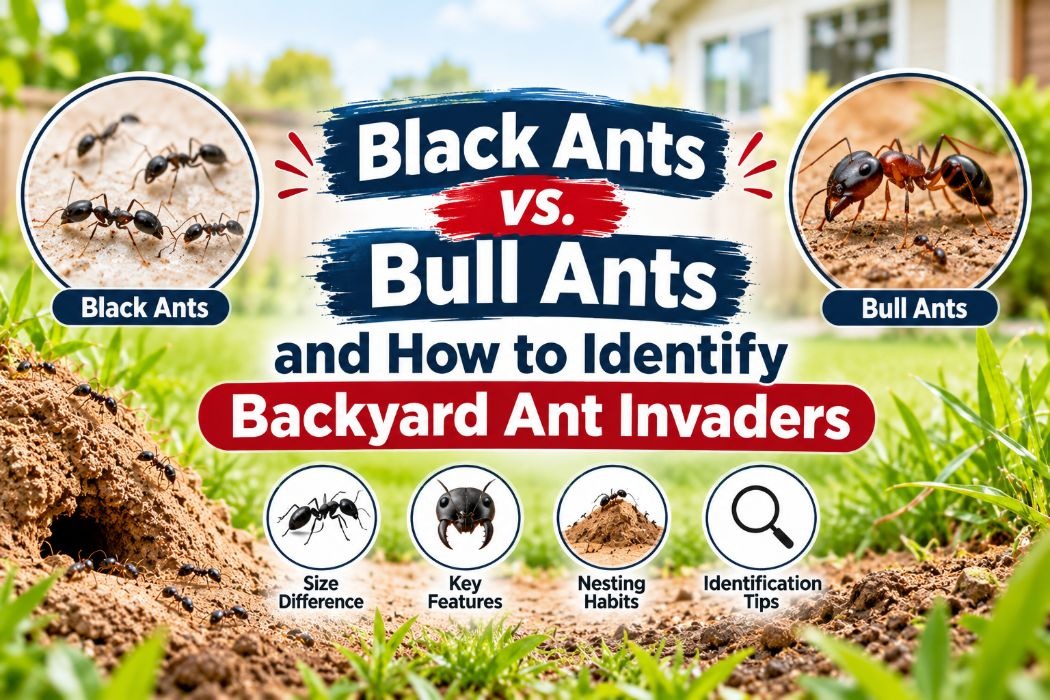
When people talk about black ants, they usually mean the small, shiny black house ants that march in tidy lines across benches and patios. They’re tiny, only a few millimetres long, and they move in steady trails between the nest and whatever food they’ve found.

Their nests sit in soil, under pavers, in garden beds, and sometimes inside wall cavities or roof voids. They’re mostly a nuisance rather than a danger, though large numbers inside a home can contaminate food and put anyone off cooking. Residential ant control in Officer typically deals with these ants most often, because they’re so good at finding their way indoors.

Bull Ants: Large Ants With a Painful Sting

Bull ants are a different creature altogether. They’re large, often well over a centimetre long, with long, powerful jaws, big eyes, and a slender, athletic build. Colours range from black through to reddish-orange, and some species have a mix of both.

They hunt alone rather than in neat trails, and they’ve got excellent eyesight for an ant. If you hang around the nest, they’ll often rear up, track your movements, and come straight at you. Their sting is painful and can swell for days, which is why you shouldn’t treat them like the friendly neighbourhood ant.

Size and Shape: The Quickest Giveaway

If you can only take a glance, focus on their size. Black house ants are small and similar in appearance, resembling tiny grains of moving pepper. Bull ants, however, are much larger, with clearly visible mandibles that you can spot from a distance.

Body shape tells the story too. Black ants look compact and fairly rounded, while bull ants have a long, narrow waist and a slim body built for speed. Once you’ve seen a bull ant up close, you won’t mix it up with the smaller ones again.

Nests: Where Each Type Lives

Nest style helps with identification as well. Black ants often build small, scattered nests under pavers, along fence lines, in garden beds, or inside wall cavities where it’s warm and sheltered. You’ll usually notice them by the trails rather than a single obvious mound.

Bull ants favour soil nests with a visible entrance hole, often surrounded by a low mound or a ring of loose debris. You’ll often find them in lawns, garden beds, and sunny, open ground. If you see big ants guarding a single hole, treat it as a bull ant nest and keep children and pets well away.

What to Do If You Find Bull Ants

Resist the urge to poke at the nest or pour boiling water down the hole. That tends to provoke the colony and increase your chances of being stung. Keep kids and pets clear of the area instead, and mark the spot so nobody wanders into it accidentally.

If someone does get stung, wash the area and use a cold pack to ease the pain. Anyone showing signs of a serious allergic reaction, such as breathing difficulty or swelling of the face, needs urgent medical help, so call 000 straight away. For the nest itself, it’s far safer to leave the removal to a professional.

How Treatment Differs for Each Type

Black ants respond well to targeted baits that workers carry back to the colony, combined with an exterior barrier that stops new arrivals. Professional ant treatment in Officer focuses on reaching the nest rather than just spraying the trails you can see, which is why results last far longer than a supermarket spray.

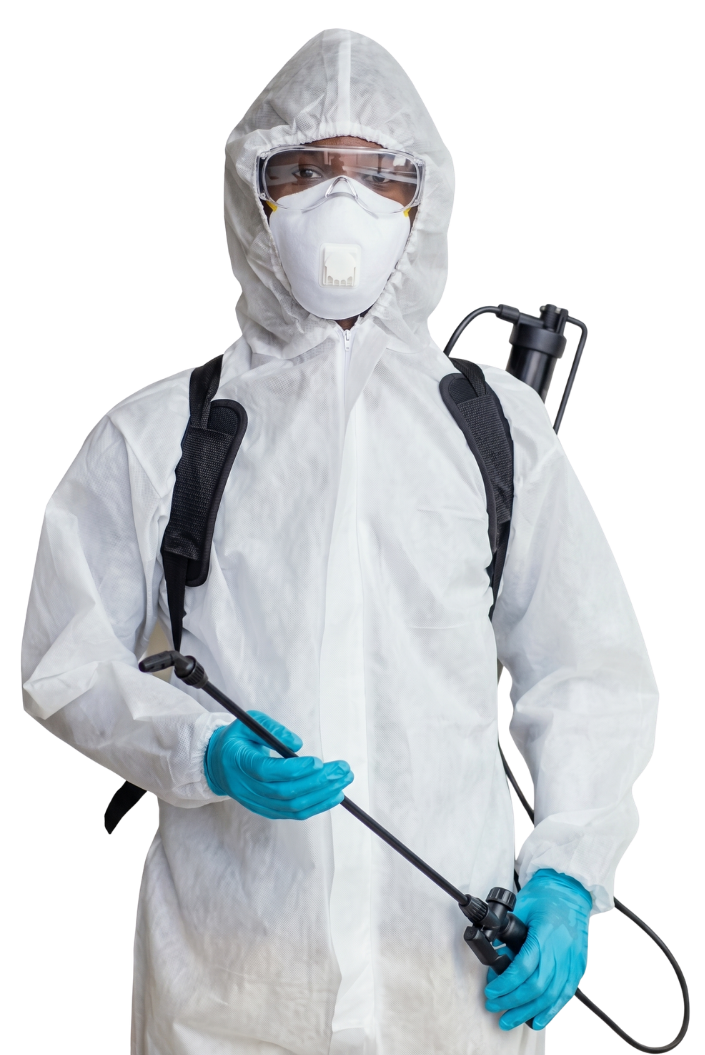
Bull ants need a more careful approach. A technician has to deal with the nest directly while managing the risk of stings, and a store-bought product rarely does the job safely. Professional ant control in Officer uses proper protective equipment and species knowledge, so the colony is dealt with without anyone getting hurt.

Getting a Proper Identification

If you’re not sure what you’re looking at, a clear photo taken from a safe distance can help enormously. Licensed pest controllers in Officer can usually identify the species from a good image, then recommend the right treatment before anyone gets close to the nest.

That’s worth doing if the ants are large, aggressive, or showing up in unusual numbers. A quick check now beats guessing and getting it wrong, especially around young children and pets.

When to Search for Ant Control Near Me

Small black ants wandering through the kitchen can often wait for a convenient booking. A bull ant nest in a play area, near a doorway, or along a path you use daily is a different matter, and it’s time to start searching for ant control near me without delay.

Choose a provider who identifies the species first, explains the plan, and includes follow-up support if activity returns. Those small details say a lot about the quality of the service you’re about to book.

Final Thoughts

Black ants and bull ants might both be called backyard ants, but they’re very different problems with very different risks. Learning to spot the differences in size, behaviour, and nesting habits helps you respond safely and avoid wasting money on the wrong fix. At Gill Pestworks, our team identifies the species, treats the nest properly, and follows up so homeowners can use their yards without worrying about what’s living in them.

FAQs

Frequently Asked Questions

How Can I Tell a Black Ant from a Bull Ant? +

Black ants are tiny, move in tidy trails, and mostly ignore people. Bull ants are much larger, have long jaws and big eyes, and often stand their ground when you approach.

Do Black Ants Sting? +

Common black house ants are mainly a nuisance and aren’t known for causing painful stings. They can still contaminate food, so persistent indoor trails are worth dealing with.

Are Bull Ants Dangerous? +

Their sting is painful and can cause swelling for days, and some people have stronger allergic reactions. Anyone with breathing difficulty or facial swelling after a sting needs urgent medical help.

Can I Remove a Bull Ant Nest Myself? +

It’s not recommended, because disturbing the nest provokes the colony and raises the chance of multiple stings. A professional can treat it safely with the right equipment.

Where Do Bull Ants and Black Ants Build Their Nests? +

Black ants nest in soil, under pavers, and sometimes in wall cavities, while bull ants usually build soil nests with a visible entrance hole in lawns and garden beds.