info@gillpestworks.com.au | Trading Hours: Mon – Fri: 7:00 AM - 6:00 PM, Sat: 7:00 AM - 6:00 PM info@gillpestworks.com.au | Trading Hours: Mon – Fri: 7:00 AM - 6:00 PM, Sat: 7:00 AM - 6:00 PM
Gill Pestworks Blog

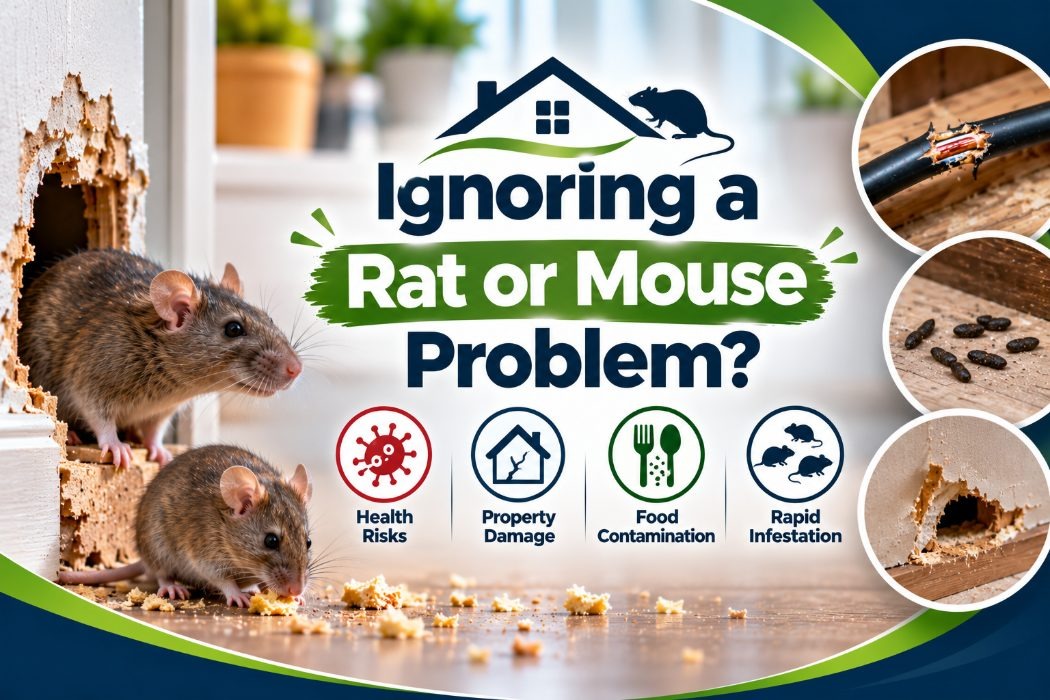
What Happens If You Ignore a Rat or Mouse Problem in Officer?

03 Nov 2026

A few droppings behind the pantry, a faint noise in the ceiling, a chewed corner on a cereal box. It’s tempting to shrug these off and hope the problem moves on, especially when life is already busy. Rodents don’t move on, though. They settle in, breed, and quietly run up a bill that grows every week you wait.

This guide breaks down what a rat or mouse problem can really cost, from the damage you can see to the damage you can’t. By the end, you’ll know why early rodent control in Officer almost always works out cheaper than putting it off.

Why Rodent Problems Rarely Stay Small

The biggest reason delay costs money is speed. A pair of rodents can produce several litters in a year, and the young mature quickly enough to start breeding themselves. Two visitors in autumn can become a crowded colony by the time winter bites.

Think of it like compound interest, except the debt is droppings, gnawing, and noise. Every extra rodent adds to the damage and makes the eventual clean-up bigger. That’s why a problem that would have been simple to fix in week one can turn into a major job a few months later.
Damage to Insulation and Stored Belongings

Roof cavities are a favourite rodent hideout because they’re warm, dark, and quiet. Rodents tear up insulation to build nests, and they contaminate whatever’s left with urine and droppings. Damaged insulation stops doing its job, which can quietly push up your heating and cooling bills.

Storage areas take a hit too. Cardboard boxes, old clothes, books, and photo albums all make excellent nesting material. Anyone who’s opened a box to find a shredded, soiled mess knows how quickly sentimental items can become rubbish.

Chewed Wiring and Fire Risk

Rodents have teeth that never stop growing, so they gnaw constantly to keep them worn down. Electrical cables are an easy target, and chewed insulation can leave live wires exposed. Damaged wiring can lead to faults, power failures, and in the worst cases, a fire risk inside walls or ceilings where nobody can see it.

This is the cost that worries electricians and insurers most, because the damage often stays hidden until something goes wrong. A routine inspection that catches rodent activity early is far cheaper than an emergency electrical repair, and far less frightening.

Gnawing Through Timber and Plumbing

Rodents chew through more than wiring. They’ll gnaw timber framing, skirting boards, and door edges to widen gaps and create new routes through the house. Plastic pipes and fittings can suffer as well, which opens the door to leaks.

A small leak inside a wall or subfloor can go unnoticed for weeks. By the time you spot the damp patch, you may be paying for plumbing repairs and water damage on top of the rodent problem. It’s the classic case of a small issue creating a much bigger one.

Health and Contamination Costs

Rats and mice contaminate food, benchtops, and storage areas as they move around. Their droppings and urine can carry bacteria, and the dust from dried droppings can irritate airways if disturbed. Households with children, pets, or anyone with a sensitive immune system have good reason to take this seriously.

Health isn’t just about illness, either. A pest-affected home is stressful to live in, and that cost is real even when it doesn’t appear on an invoice. If you want help reading the signs, our guide to rodent droppings and infestation size explains what the evidence can tell you.

The Food and Belongings You Have to Throw Out

Once rodents have been in a pantry, anything they’ve touched needs to go. Opened packets, gnawed containers, and anything stored in thin packaging can’t be safely kept. Over weeks and months, that adds up to a steady drain on the grocery budget.

Pet food is a common target, too. Rodents love it, and leaving bowls out overnight or storing bags in open containers invites them in. Replacing contaminated food again and again is an expense many homeowners don’t connect with a rodent problem until they add it up.

How a Small Bill Becomes a Big One

Here’s the pattern most homeowners fall into. They notice a few signs, wait to see what happens, and then deal with a much bigger problem later. Early on, the job might need a simple inspection, a bait or trapping plan, and a bit of sealing work.

Wait until the colony is established, and you could be paying for the treatment plus repairs to insulation, wiring, timber, and plumbing, plus the cost of cleaning up contaminated areas. The treatment is only one line on that list. That’s why acting early is rarely an expensive option.

Why DIY Delays Can Add to the Cost

Supermarket traps and baits can catch a few rodents, which makes it feel like you’re making progress. They rarely deal with the nest or the entry points, so the survivors keep breeding while you keep buying products. Weeks pass, and the problem quietly grows.

That’s where DIY can become the pricey path. Repeated purchases, wasted time, and a bigger infestation by the time you finally call someone all add up. Professional rodent control in Officer targets the source from the start, which usually works out cheaper than a drawn-out DIY campaign.

What Professional Rodent Control in Officer Involves

A technician starts with a full inspection, tracing travel routes, checking the roof void and subfloor, and identifying how rodents are getting in. Treatment then combines baiting, trapping, and monitoring with advice on sealing gaps, so new arrivals can’t simply replace the old ones.

Whether you’re dealing with rat control in Officer or mouse control in Officer, the approach shifts to suit the animal, since rats and mice need different bait sizes, trap types, and entry-point checks. Residential rodent control in Officer also includes follow-up visits, which confirm the problem’s gone and catch any newcomers early.

Final Thoughts

Ignoring a rat or mouse problem rarely saves money. It lets a small issue grow into damaged insulation, chewed wiring, contaminated food, and repairs that dwarf the cost of early treatment. Acting at the first sign keeps the job small and the bill smaller. At Gill Pestworks, our team inspects, treats, and follows up on rodent problems across Officer, so you can deal with the cause before it turns into an expensive surprise.

FAQs

Frequently Asked Questions

What Happens If You Ignore a Rat or Mouse Infestation? +

The population grows, and the damage grows with it. Rodents can ruin insulation, gnaw wiring and timber, and contaminate food and stored items, which usually costs far more to fix than early treatment.

Can Rats and Mice Really Cause Fires? +

Rodents gnaw constantly, and chewed cables can expose live wires. That can create a fire risk, often in hidden spaces like walls and ceilings, which is why early inspection matters.

How Fast Do Rats and Mice Breed? +

Very quickly. A single pair can produce several litters a year, and the young mature fast enough to start breeding themselves so that a small problem can become a large one within months.

Is Professional Rodent Control Worth the Cost? +

In most cases, yes. Professional treatment targets entry points and nesting areas, which prevents repeat purchases, ongoing damage, and the bigger repair bills that come from waiting.

When Should I Book Rodent Control? +

As soon as you notice signs such as droppings, gnaw marks, or regular noises. Early action keeps both the treatment and the repairs smaller.